Mohamed Ouahbi: Morocco 2026 Coach Profile
Short Bio
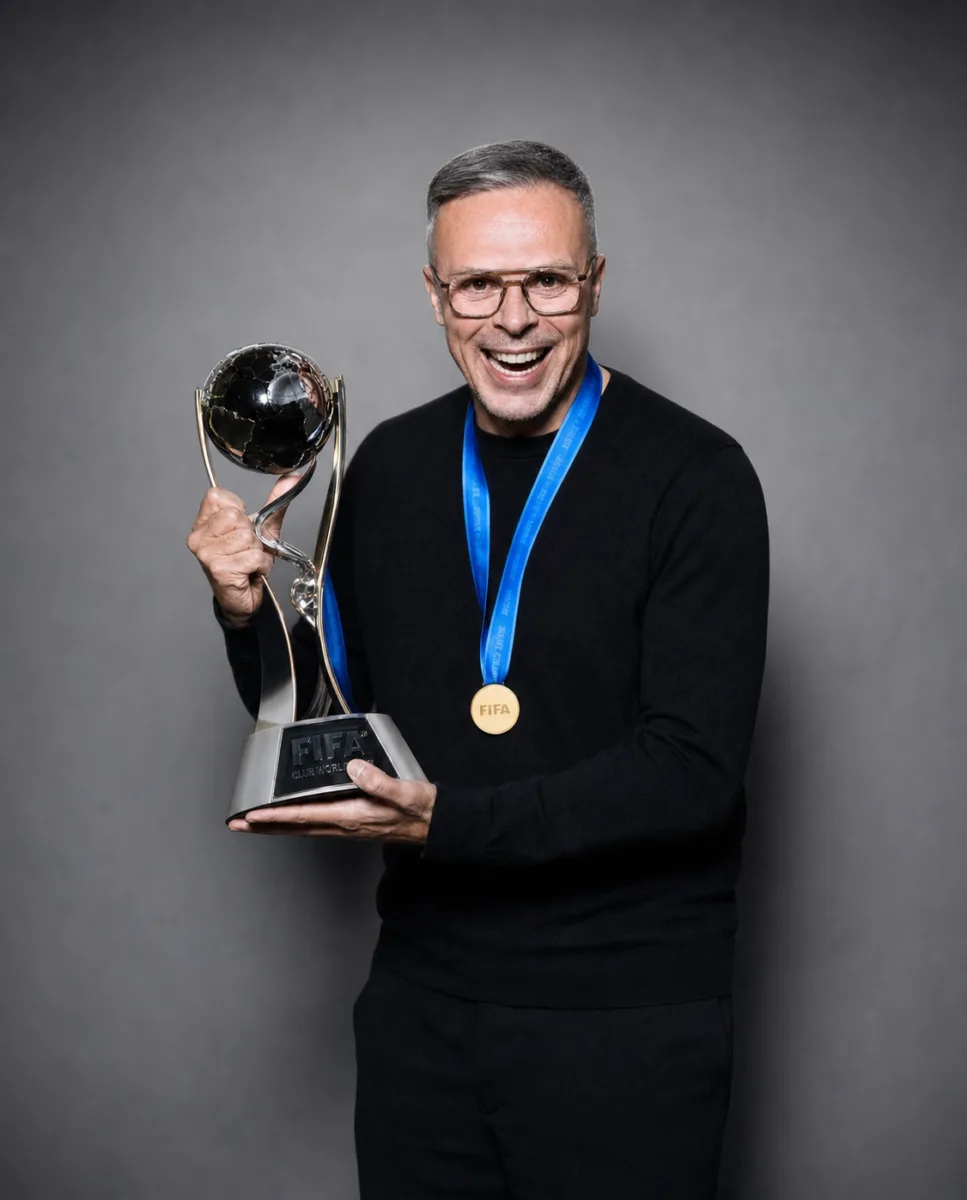
Mohamed Ouahbi is a Belgian-Moroccan coach shaped by two football cultures: the street-and-academy environment of Brussels and the emotional pull of Moroccan football. His reputation is built on development work rather than a traditional senior playing career. He came through youth coaching, learned the profession over many years in Brussels, and became strongly associated with RSC Anderlecht's academy before moving into the Moroccan national-team pathway.
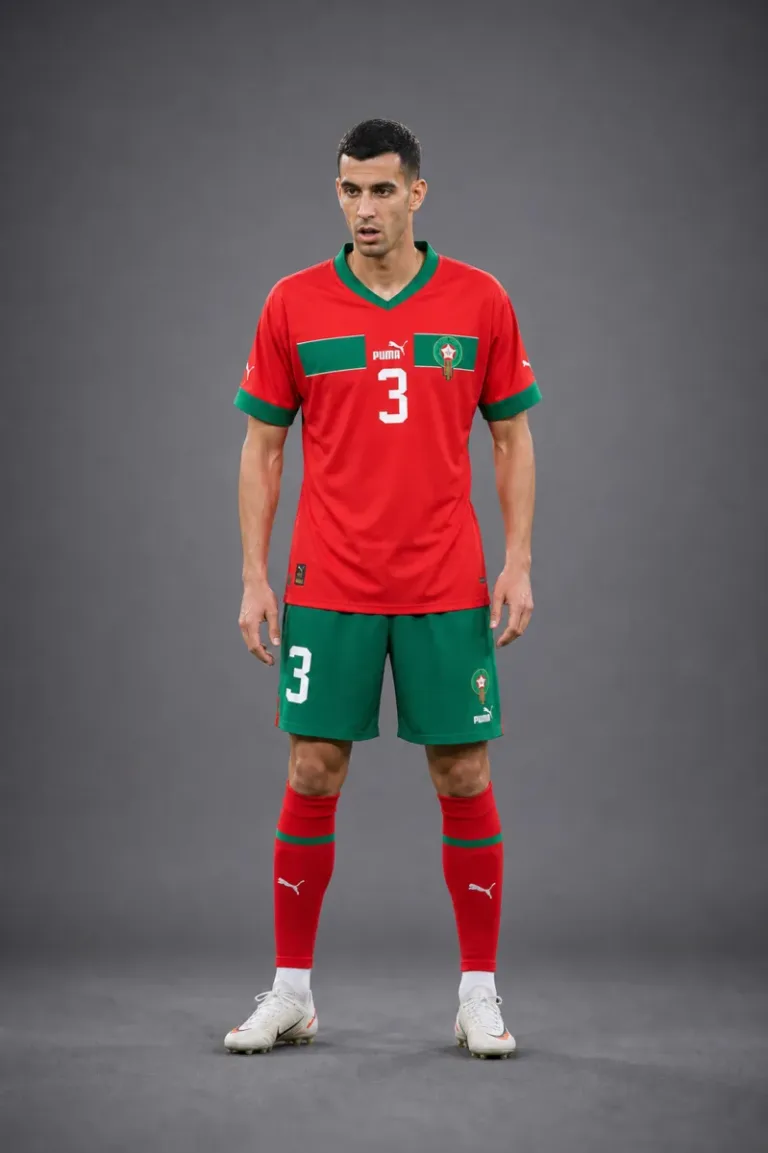
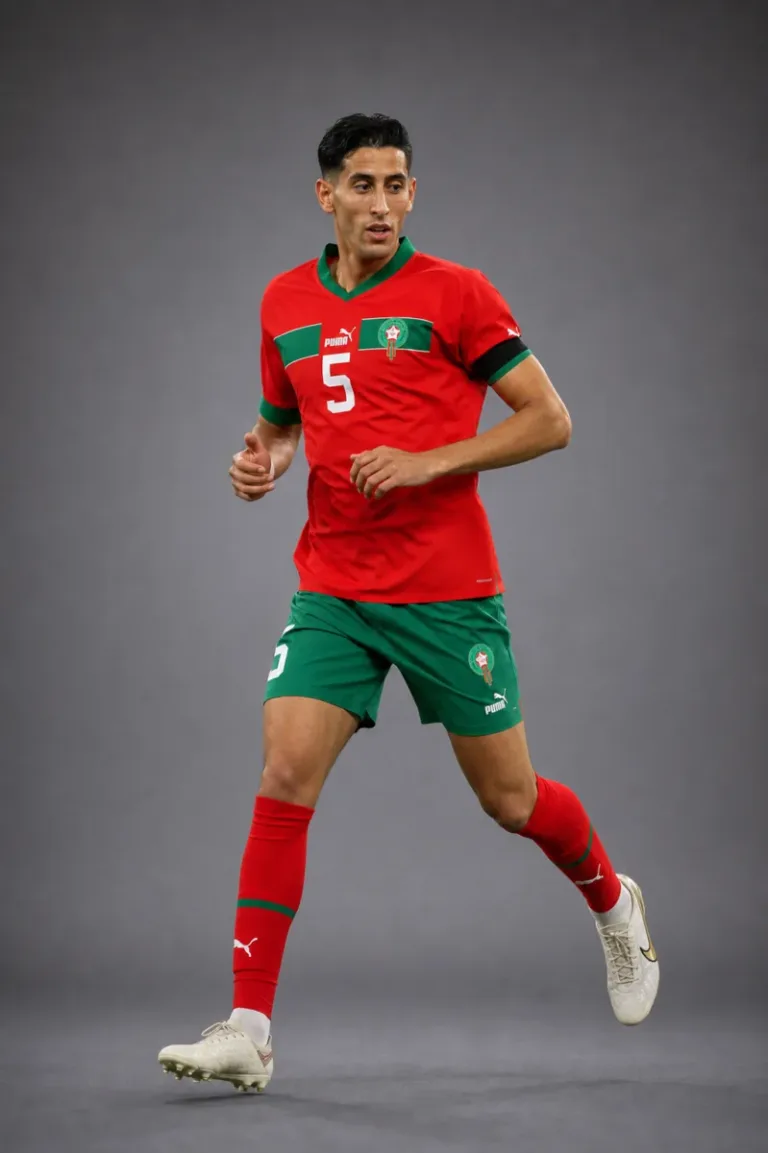
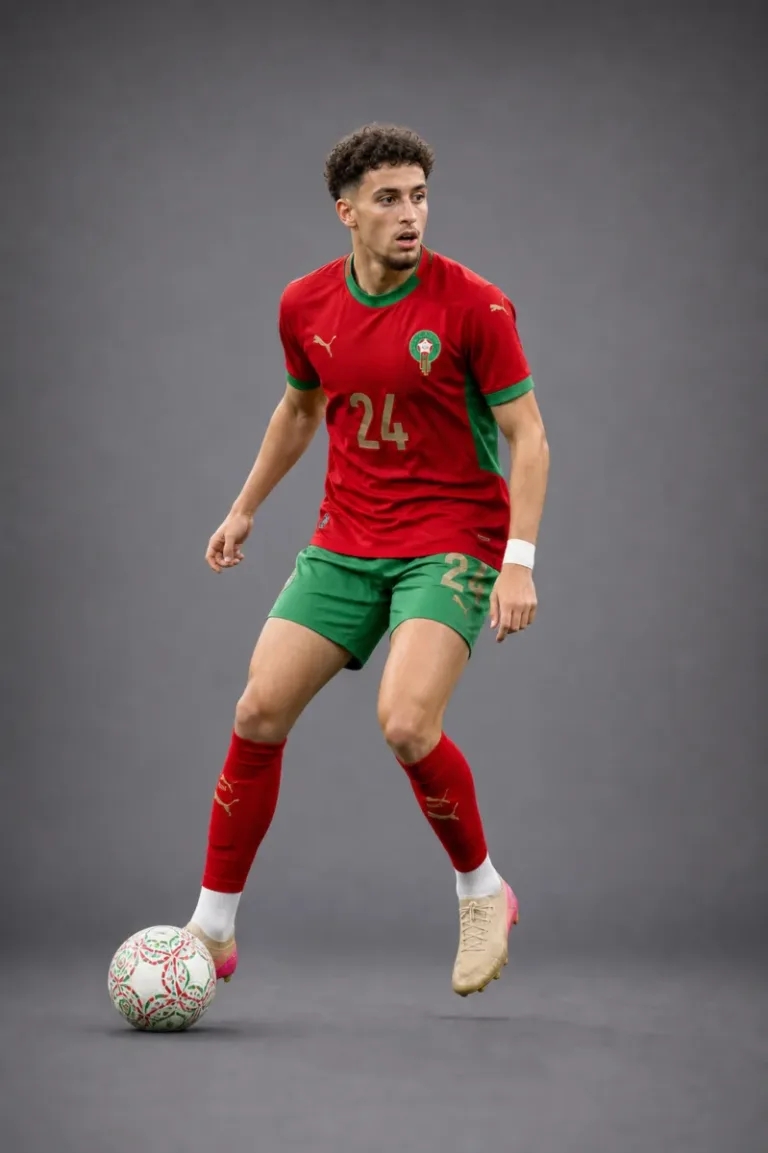
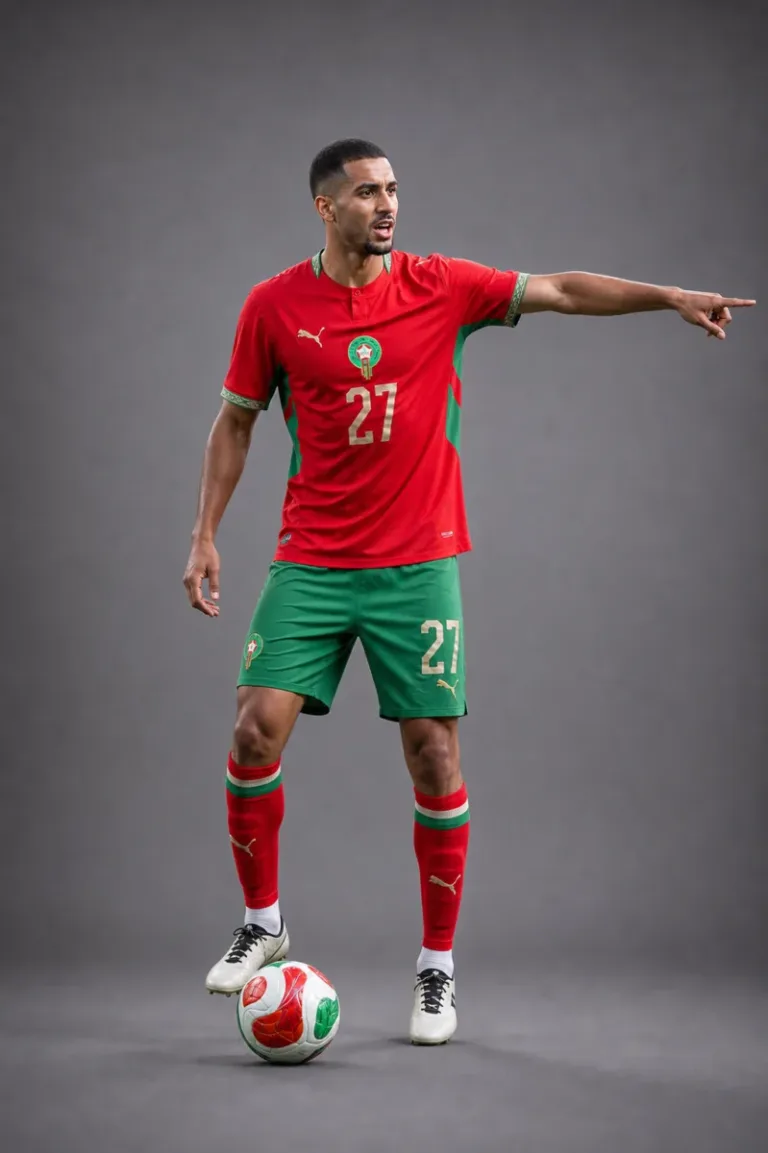
In this Morocco 2026 project, Ouahbi is the bridge between the established Atlas Lions and a younger wave of players. His profile fits a squad that mixes elite senior names with U20/U23 prospects: he knows how to teach, how to build trust with dual-national players, and how to simplify pressure moments in tournament football.
Career Path
### Early Coaching Roots
Ouahbi began coaching young players in Brussels while still very young himself. Public biographical sources place his early years at Maccabi Brussels, where his work was closer to education and player formation than elite match management. That period is important because it explains the tone of his coaching: structured, patient, social, and focused on helping players understand the game rather than only obey instructions.
### RSC Anderlecht Academy
In 2003 he joined RSC Anderlecht's youth structure, one of Belgium's most respected academies. He worked across several age groups, including U9 through U21-level development, and became part of the Neerpede academy culture.
His Anderlecht period gave him three major assets:
- Daily experience with high-potential teenage players.
- A strong technical-development framework.
- Exposure to European youth competition and first-team standards.
During the 2014-15 UEFA Youth League campaign, Anderlecht reached the semi-finals before losing to Shakhtar Donetsk. He later worked as an assistant with the Anderlecht first team during the Besnik Hasi period, then returned to youth development. Sources also credit his U17 side with a Belgian title in 2018 and note that he obtained a UEFA Pro Licence.
### Morocco Youth Teams
Ouahbi moved into Morocco's national youth setup in 2022, taking charge of the U20s. The role suited his strengths: identifying dual-national profiles, managing young players from different clubs and countries, and giving the team a clear tournament structure.
His Morocco U20 period is the central part of his profile. It involved regional competition, qualification work, the Africa U20 pathway, and a major world-stage run. He became known as a coach able to turn a youth squad into a collective with senior-level emotional discipline.
### Senior Morocco Project Role
For this project pack, Ouahbi is treated as Morocco's senior head coach for the 2026 cycle. That makes him a high-upside appointment: less experienced than a long-established senior international coach, but unusually connected to the new generation of Moroccan talent.
Coaching Philosophy
Ouahbi's coaching style is best described as educator-led intensity. He wants players to understand why they move, press, wait, or accelerate. His teams are not only asked to fight; they are asked to read moments.
Key principles:
- Clear structure before individual freedom.
- Fast ball circulation when the opponent's block opens.
- Aggressive wide attacks using Morocco's pace.
- Compactness after losing the ball.
- Trust in young players who understand tactical instructions.
- Strong emotional messaging before knockout matches.
He is comfortable working with players from multiple cultural backgrounds. That matters for Morocco because a large part of the talent pool comes from the diaspora: Belgium, France, Spain, the Netherlands, and other European systems.
Best Quality
His best quality is talent translation: turning young potential into tournament-ready football. He can speak the language of academy players, manage families and federation expectations, and convert technical youth talent into a team with emotional clarity.
For Morocco 2026, this is valuable because the squad needs both star management and generational renewal. Ouahbi can make younger players feel trusted without making senior leaders feel replaced.
Weakness / Risk
His main risk is senior-level pressure. Youth success does not automatically transfer to a senior World Cup dressing room with established stars, media pressure, and limited preparation time.
Potential weaknesses:
- Less long-term senior head-coach experience than many international rivals.
- A proactive style can expose defensive transitions if the full-backs push too high.
- His loyalty to players he knows from youth football may create selection debates.
- At senior level, tactical messages must be even sharper because training time is shorter.
Tactical Profile
### In Possession
Ouahbi's Morocco should look for controlled progression rather than sterile possession. The ideal pattern is: win the first pass, find the free midfielder, then release pace wide or between centre-back and full-back.
Useful squad fits:
- Achraf Hakimi as a high-speed outlet.
- Azzedine Ounahi / Bilal El Khannouss as connectors.
- Brahim Diaz between lines.
- Fast young forwards as depth runners.
### Out of Possession
His teams can press high but should not press blindly. The strongest version of the team uses selective pressure: jump when the opponent's first touch is poor, lock the wings, then counter quickly.
### Game Management
Ouahbi's youth tournament experience suggests he values emotional control. In a World Cup context, his challenge is knowing when to slow the match down and when to unleash Morocco's transition game.