Morocco Beat the Netherlands: Tactical Analysis of a Wild Penalty Shootout Win
Morocco’s win over the Netherlands was not clean, easy, or calm. It was a knockout match in its purest form: tactical tension, late resistance, physical damage, missed penalties, and one final Moroccan kick that turned survival into history.
Why the match turned
The Netherlands tried to reduce the match to control and caution. That strategy made sense for a side protecting space against Morocco’s transition threat, but it also gave Morocco permission to own large phases of possession. The Dutch lead through Gakpo changed the scoreboard without fully changing the underlying pressure.
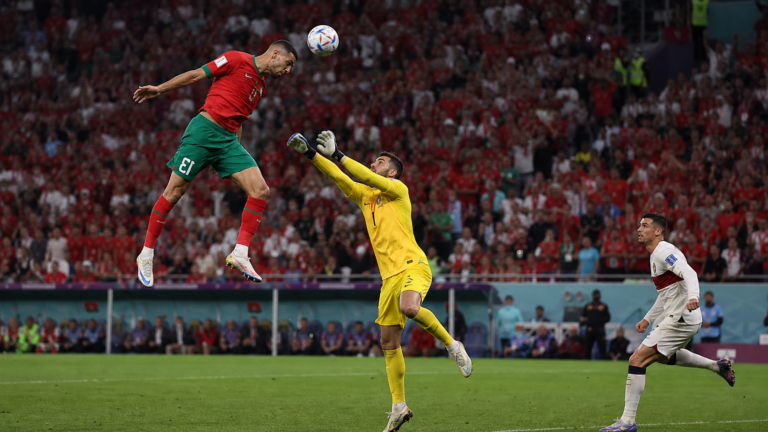
Morocco kept pushing bodies into advanced zones, but the decisive detail was not a perfect attacking pattern. It was persistence. Diop’s stoppage-time equalizer came from the tournament reality that every late ball into the box becomes a psychological event. Morocco stayed alive long enough for the match to become emotional, and emotional matches suit teams with strong collective belief.
Tactical reading
Saibari’s night
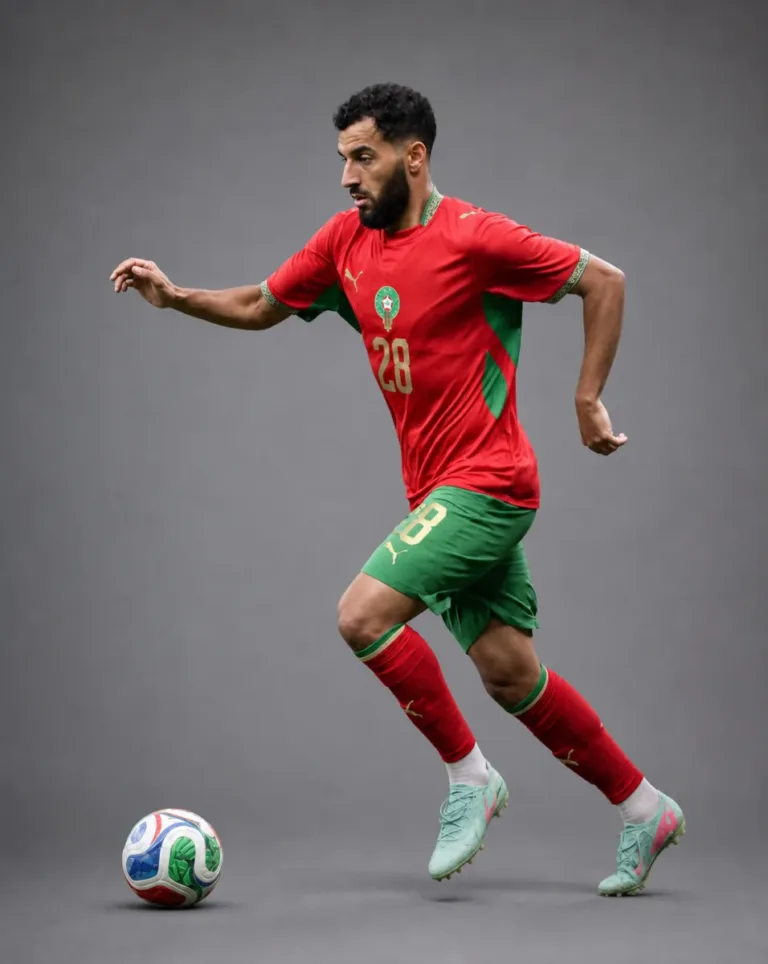
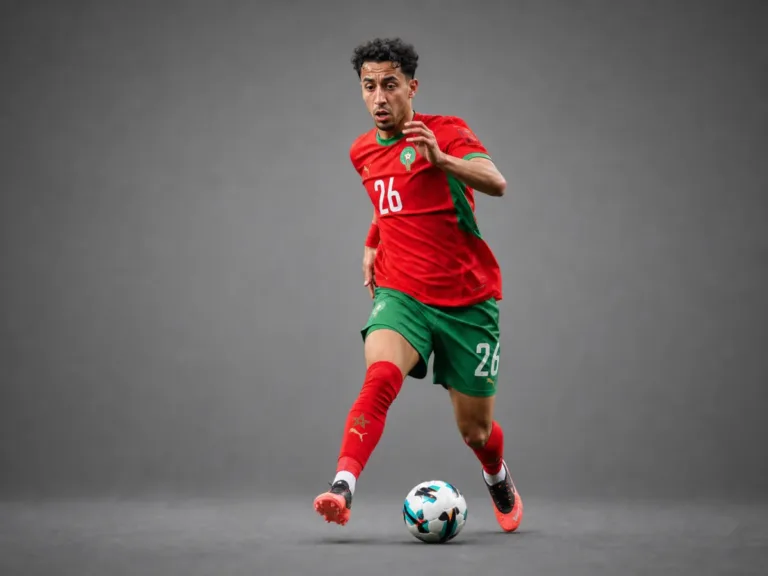
Saibari had already been Morocco’s group-stage symbol, and against the Netherlands he became something harder: a player who could bleed, stay in the match, and still accept the decisive shot. That is why the penalty mattered beyond the score. It connected talent with nerve.
What this victory says about Morocco
The win did not prove that Morocco are flawless. It proved something more useful: they can win when the game is ugly. Knockout tournaments are rarely decided only by tactical purity. They are decided by detail, recovery, substitutions, discipline, and courage after mistakes.
Morocco beat the Netherlands because they refused to let one goal define the match. They kept the ball, kept the pressure, won the late moment, and then trusted the same penalty psychology that made the Atlas Lions famous in 2022. The story is no longer that Morocco can shock the world. The story is that Morocco now expects to survive nights like this.