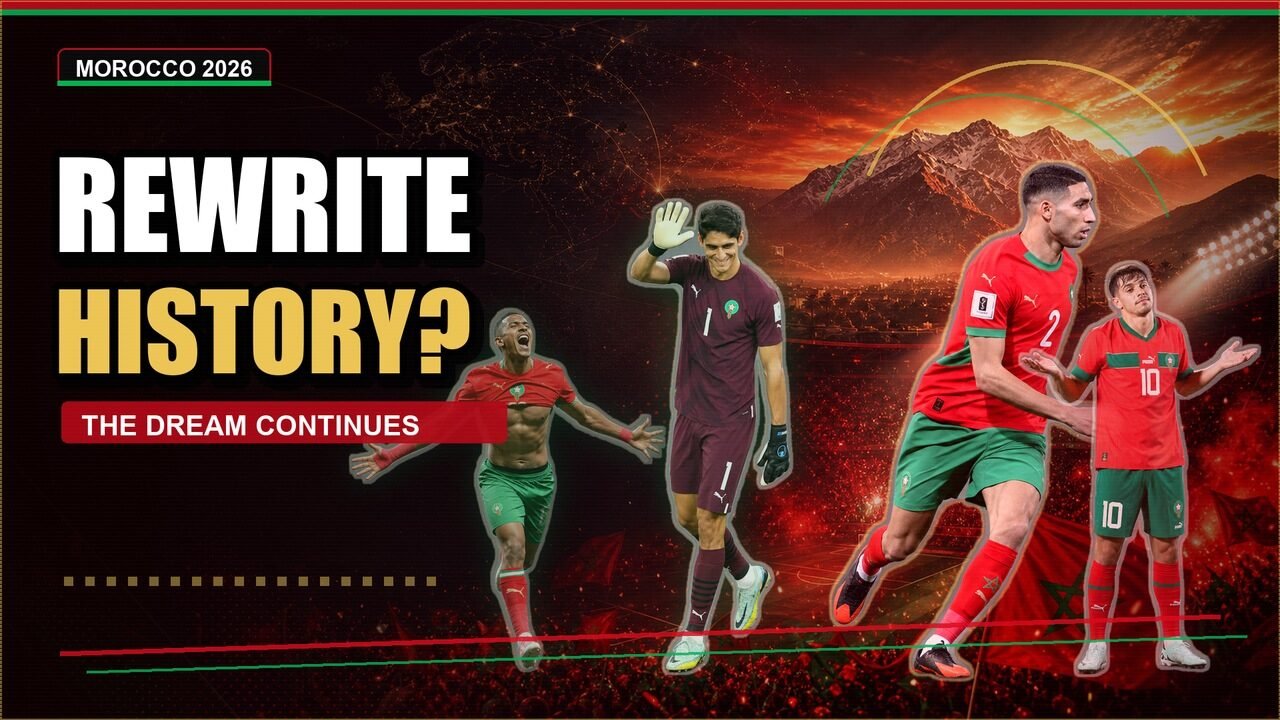
Morocco’s 2026 World Cup Group Stage: Seven Points and a Serious Warning
Morocco came through Group C with the profile of a serious tournament team: seven points, three different match scripts, and enough attacking rhythm to make the knockout bracket feel like a continuation rather than a surprise.
The group-stage story
The strongest sign was not only qualification. It was adaptability. Against Brazil, Morocco had to live with elite individual threat and still protect the emotional temperature of the game. Against Scotland, the match became about the value of a fast start and disciplined control. Against Haiti, the job was different again: accept the favorite’s burden, attack with authority, and close the group with goals.
That range matters because knockout football rarely gives a team the same match twice. Morocco showed they could suffer, manage, and accelerate. The side was not perfect, especially when games became stretched, but the group stage created a clear tactical identity: compact defensive distances, aggressive wide outlets, and midfielders who can turn pressure into forward motion.
What worked
The warning signs
The main risk is the space behind the full-backs when Morocco chase momentum. Hakimi and Mazraoui can make the team elite in progression, but their advanced positioning demands sharp cover from the nearest centre-back and holding midfielder. The Haiti game also showed that Morocco can concede emotional goals when the match opens too quickly.
The lesson before the knockouts was clear: this team is dangerous when it controls when to run. It becomes vulnerable when the match turns into pure exchange.
Verdict
Morocco’s group stage did what a good group stage should do: it built belief without creating comfort. Seven points gave the Atlas Lions legitimacy. Saibari’s goals gave them a tournament face. The squad’s depth gave Ouahbi options. And the performances suggested that 2022 was no longer only a memory. It had become a standard.