The Night Morocco Broke Africa’s World Cup Ceiling
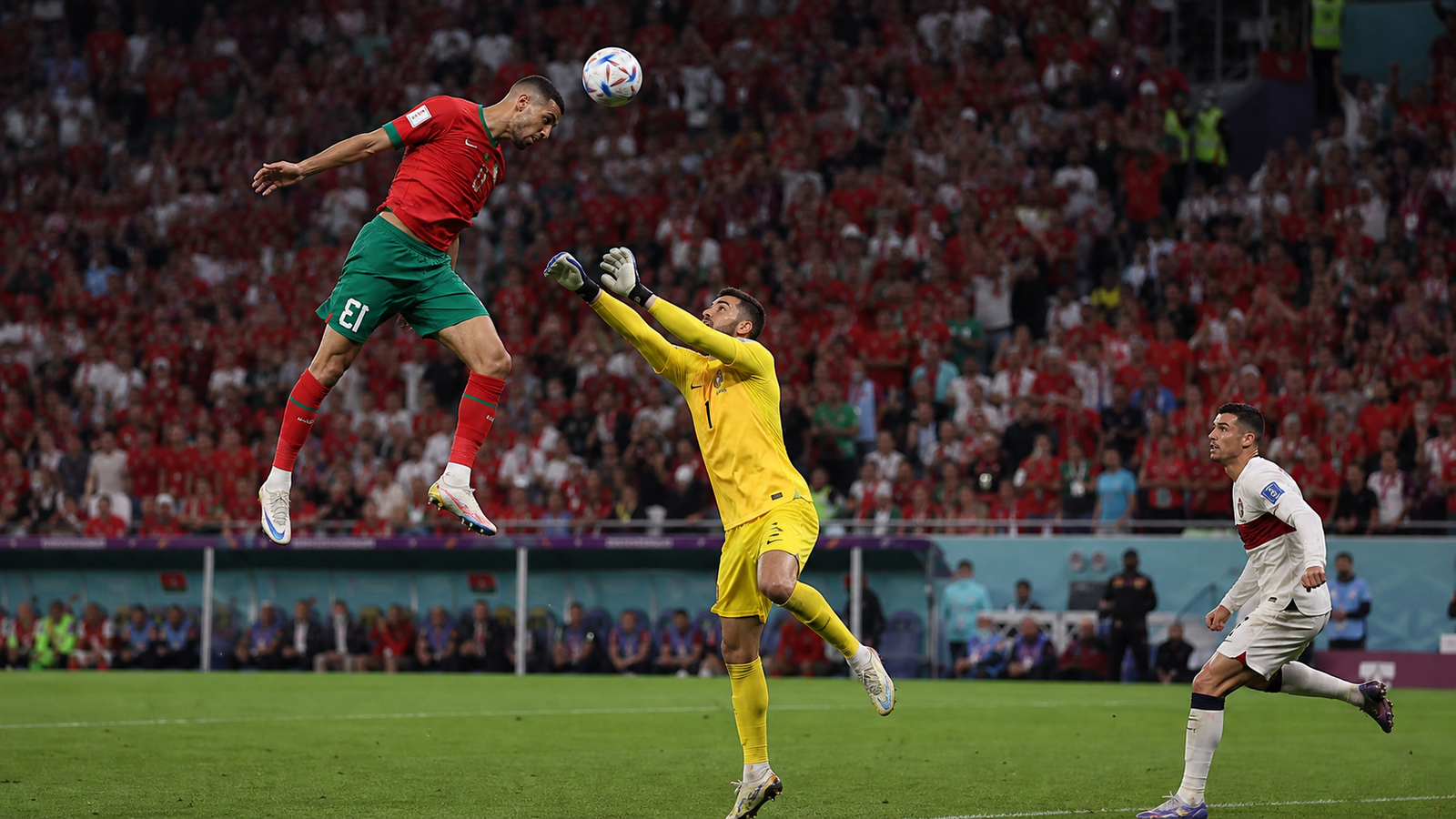
For forty-two minutes, Morocco and Portugal played a quarter-final. Then Youssef En-Nesyri rose above goalkeeper Diogo Costa and jumped into history. His header on 10 December 2022 produced the only goal of the match and made Morocco the first African and Arab nation to reach a men’s FIFA World Cup semi-final.
The leap became the photograph. The achievement had been built across an entire tournament.
A defence that understood space
Walid Regragui’s team did not simply “sit deep.” Morocco protected central zones, shifted in compact units and forced opponents to spend possession where it was least dangerous. Sofyan Amrabat screened the defence with extraordinary range. Achraf Hakimi and Noussair Mazraoui balanced pressure with recovery. Romain Saïss organised while carrying the physical cost of the campaign.
Against Portugal, possession was not the primary scoreboard. Morocco accepted long periods without the ball but remained ready to accelerate through Hakim Ziyech, Sofiane Boufal and En-Nesyri. The plan required concentration because every cleared cross only started the next problem.
The goal
Near half-time, Yahia Attiyat Allah delivered from the left. En-Nesyri attacked the space as Costa came forward. The striker reached the ball first and directed it into the empty goal. It looked like instinct. It also reflected the value of a forward willing to repeat difficult runs when touches were scarce.
After the break, Portugal added Cristiano Ronaldo and increased pressure. Morocco lost Saïss to injury, then Walid Cheddira to a late red card. Yassine Bounou saved when required; blocks arrived from everywhere. The final whistle released not only a stadium but celebrations across Morocco, Africa and the diaspora.
Why the ceiling mattered
African teams had reached the quarter-finals before: Cameroon in 1990, Senegal in 2002 and Ghana in 2010. Each campaign had expanded possibility and ended painfully close. Morocco crossed the line. The result did not erase those teams; it completed a path they helped open.
The squad itself embodied several football routes. Many players were born or developed abroad, others in Morocco, and the national team turned that plurality into a coherent identity. Family presence became one of the tournament’s enduring images, complicating the idea that elite sport must separate private affection from professional discipline.
What happened next
France won the semi-final 2–0, and Croatia took the third-place match. Morocco finished fourth. The run nevertheless altered expectations for African and Arab football and raised harder questions at home: how to convert inspiration into coaching, pitches, women’s participation, youth competition and player development across regions.
Historic victories are often reduced to destiny. This one is more useful when understood as work: tactical clarity, diaspora recruitment, domestic investment, goalkeeping, sacrifice and one perfectly timed jump.
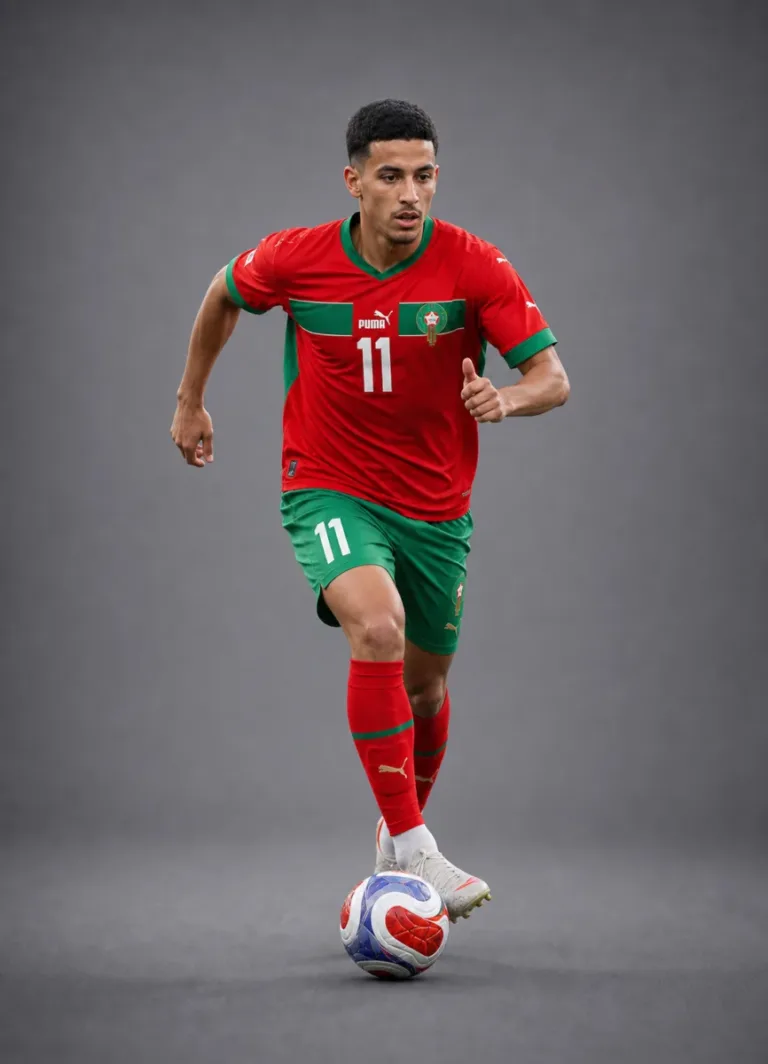
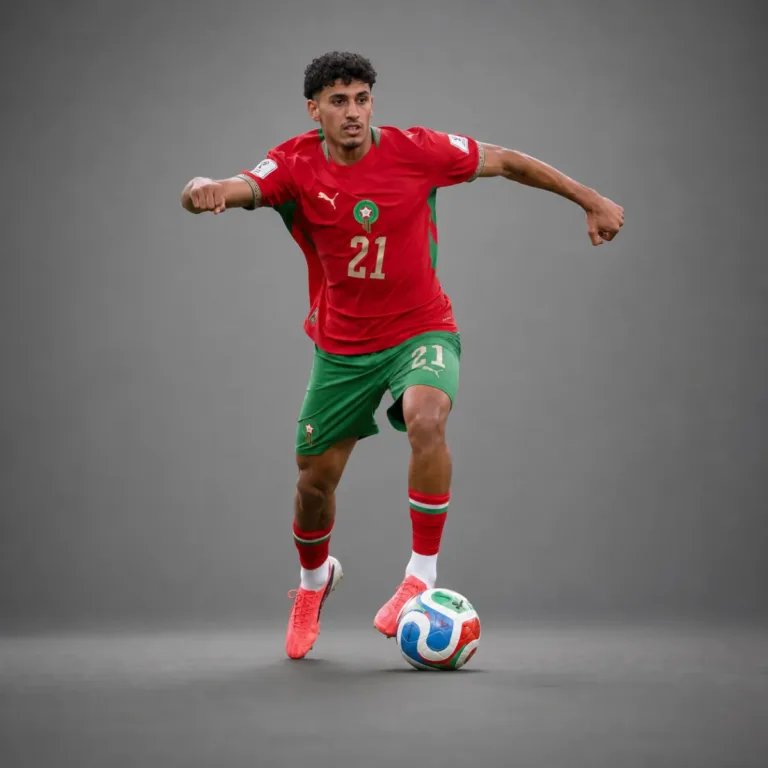
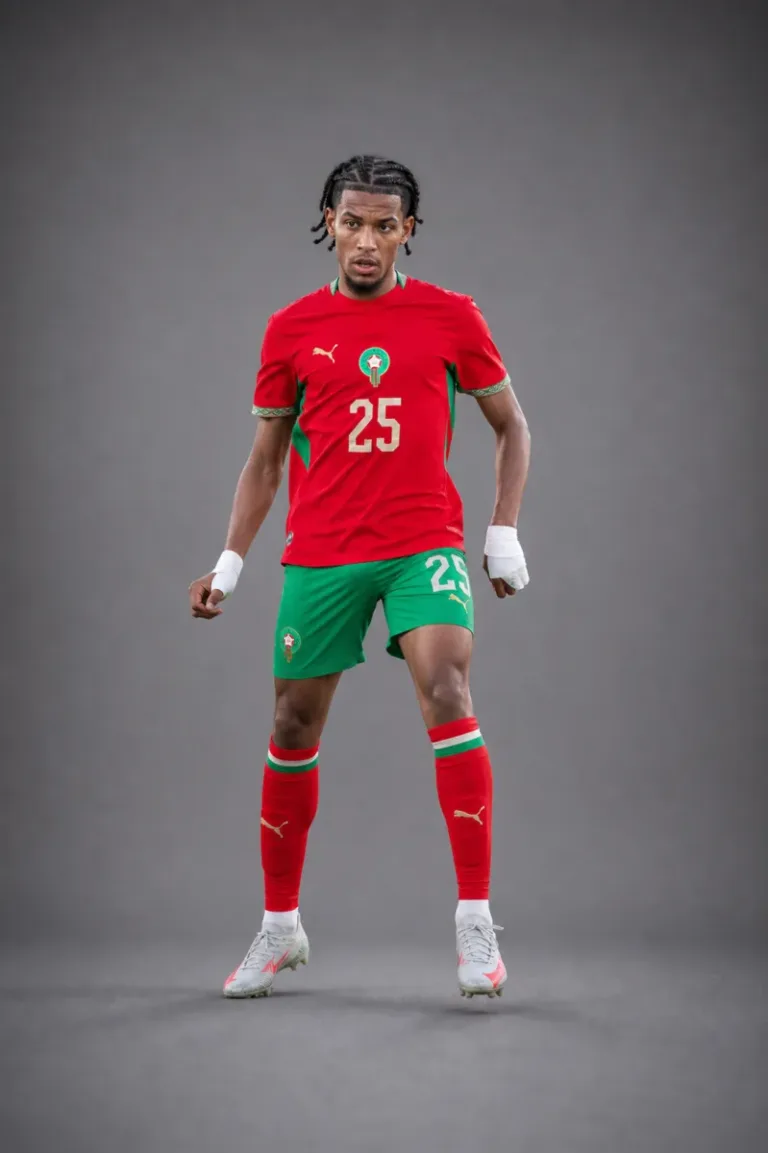
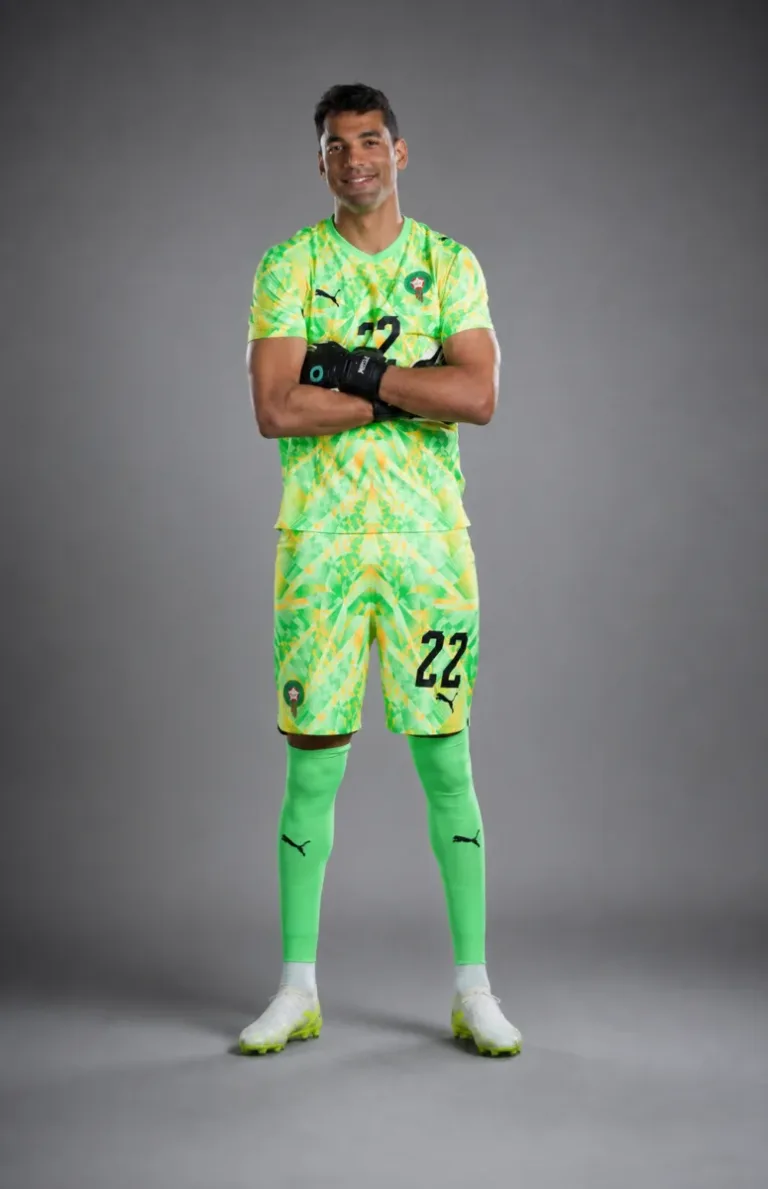
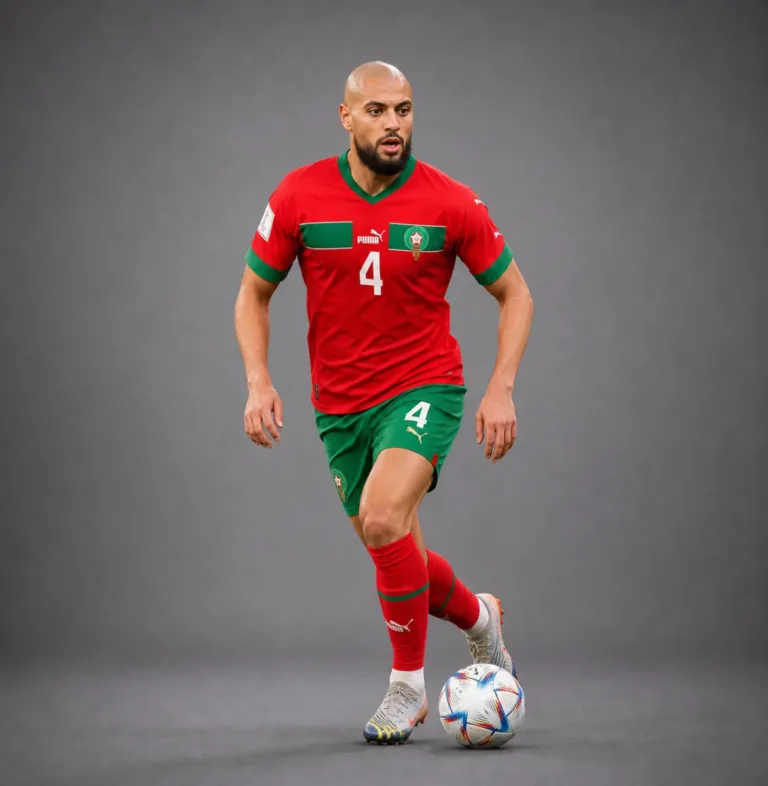
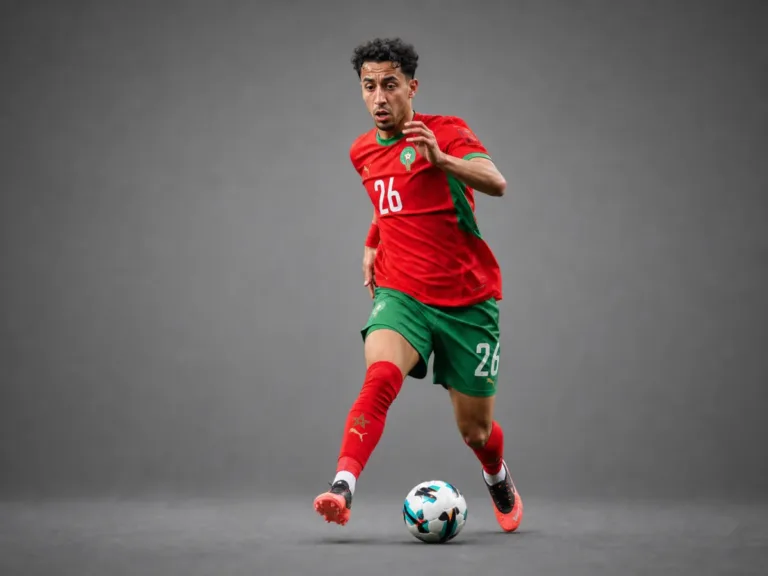
The featured image is an AI-created editorial reconstruction, not a photograph from the match.
Sources and further reading