Nawal El Moutawakel: The 54.61 Seconds That Changed Moroccan Sport
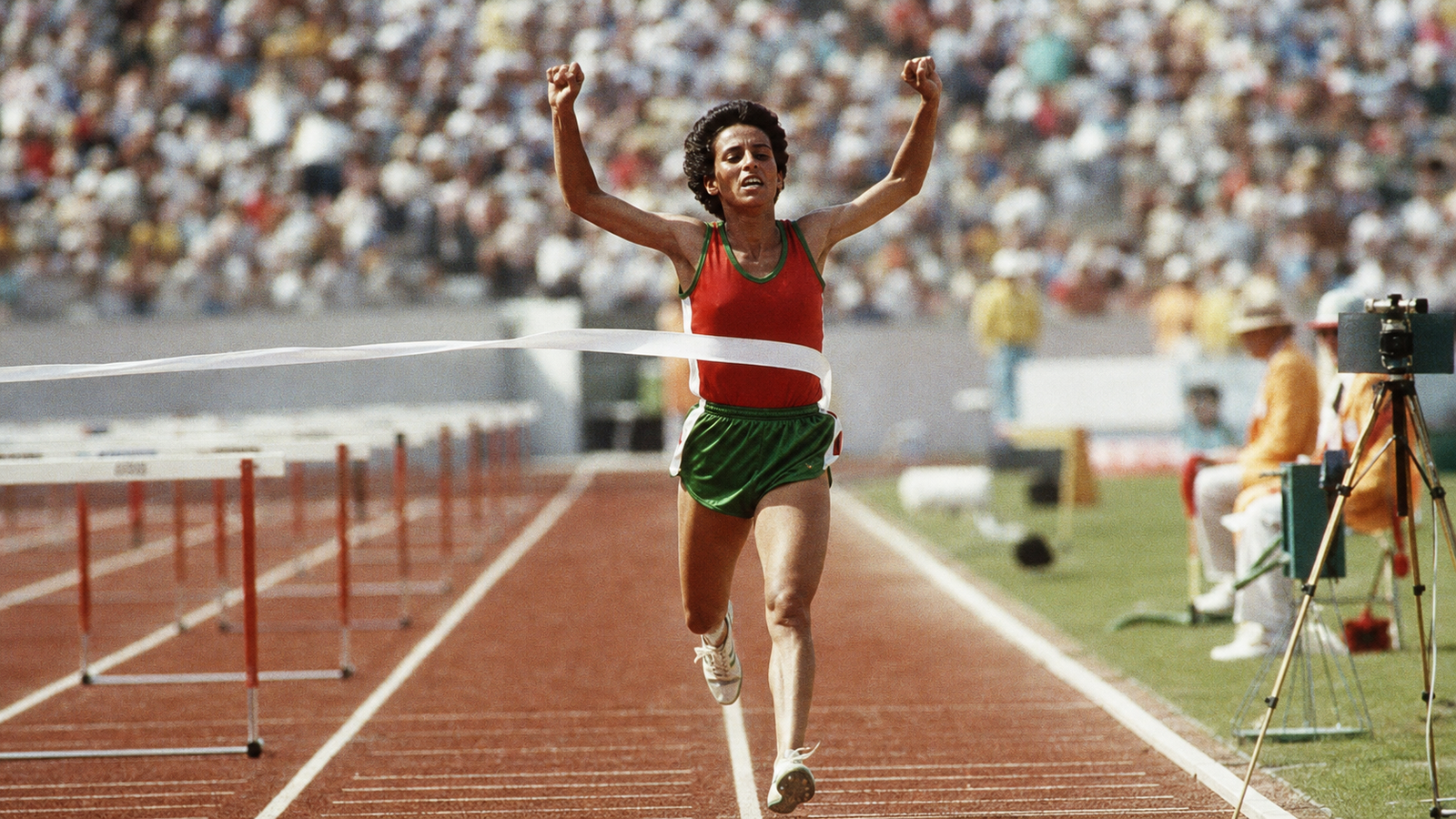
On 8 August 1984, the women’s 400 metres hurdles made its Olympic final debut. Nawal El Moutawakel made sure its first champion was Moroccan. She crossed the line in Los Angeles in 54.61 seconds, winning by more than half a second and transforming a race into a national reference point.
El Moutawakel became Morocco’s first Olympic gold medallist, the first African woman to win Olympic gold and the first Muslim woman to do so. Those “firsts” are important. They should not hide the athlete inside the symbol.
Before Los Angeles
Born in Casablanca in 1962, El Moutawakel began athletics as a teenager and developed across sprint and hurdle events. A scholarship took her to Iowa State University, where education and high-level training met. By 1983, she had competed at the inaugural World Athletics Championships.
The 400m hurdles is an exacting negotiation. Athletes sprint while maintaining a stride pattern between ten barriers; fatigue changes distance perception at the moment precision matters most. The event rewards speed, rhythm and the ability to recover instantly from a poor clearance.
The race that lasted 54.61
El Moutawakel attacked the final decisively and separated from the field. Her winning time was an Olympic record because the event was new to the programme. When rain began after the finish, the images gained an almost cinematic quality. The performance itself needed no embellishment: she had run the fastest race of her life when history demanded it.
In Morocco, King Hassan II telephoned his congratulations. Girls born that day were reportedly named Nawal in her honour. The result made an elite event legible to families who had never imagined a Moroccan woman at the centre of the Olympic stadium.
A career after the finish line
Injury ended El Moutawakel’s competitive career later in the decade, but her influence moved into sports administration and public life. She served in Moroccan government and held senior roles in the International Olympic Committee, including work on evaluation and coordination commissions.
That second career matters because representation in sport is not limited to medal ceremonies. Decisions about facilities, bidding, budgets and participation are made in rooms where former athletes have historically been underrepresented—especially women from Africa and the Arab world.
The record that cannot be reduced to time
Her 54.61 has long since been surpassed on the global all-time list. Its historical value has not diminished. Records measure performance against a clock; breakthroughs change who is allowed to imagine standing on the line.
El Moutawakel did both in one lap.
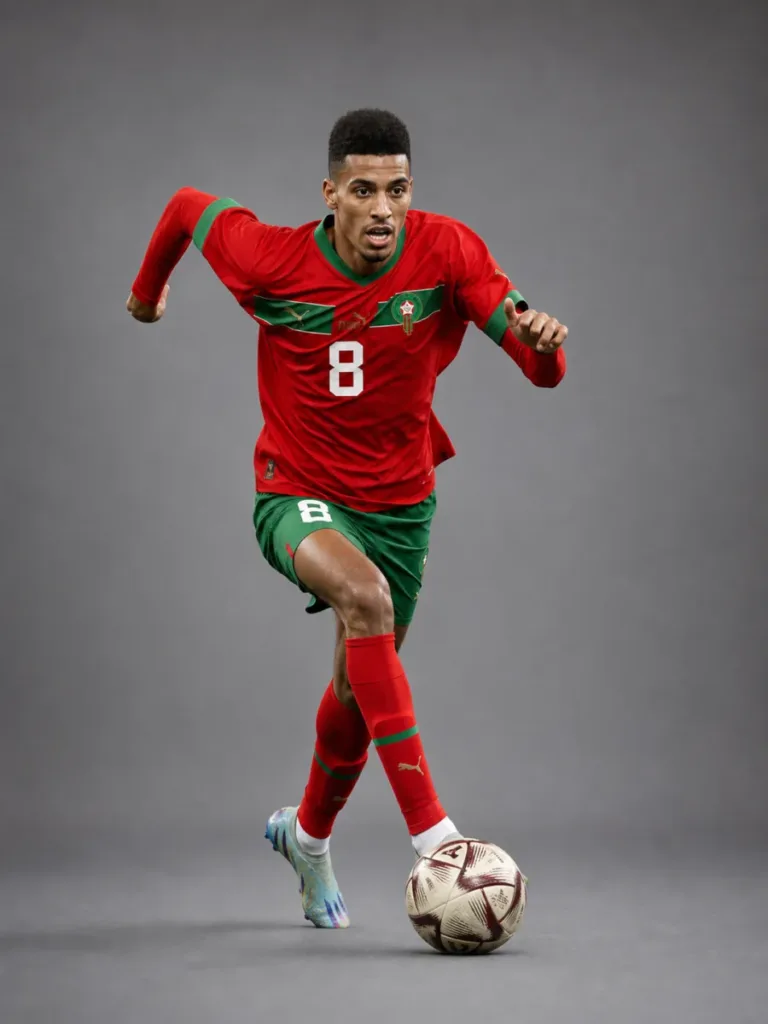
The featured image is an AI-created editorial reconstruction, not an archival photograph.
Sources and further reading