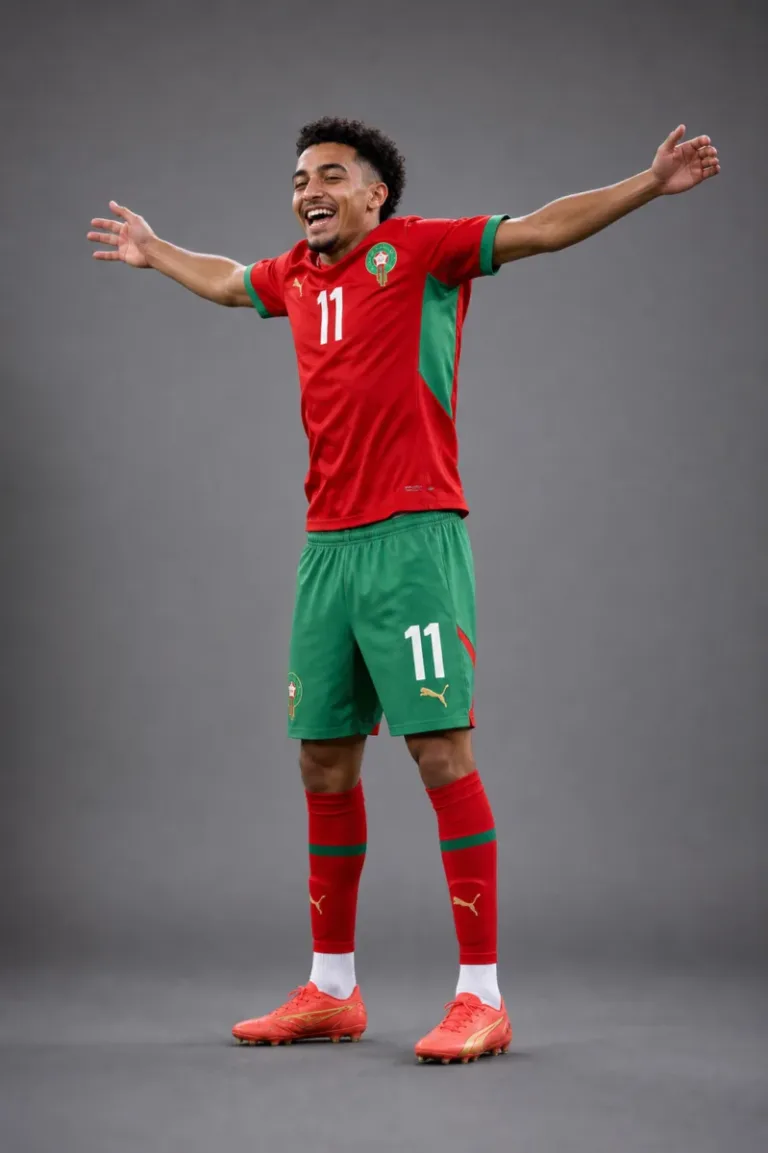

Football Infrastructure And The Moroccan Model Before 2030
A football nation is built long before tournament night: in training grounds, federation planning, stadium operations, media culture and the daily systems that make talent visible.
Infrastructure as credibility.
For countries that want to host and compete, football infrastructure is a form of credibility. Stadiums matter, but they are only the most visible layer. Training centres, medical facilities, youth competitions, coaching education and data systems often matter more over time.
Morocco’s football rise has made infrastructure a public subject. Supporters now understand that the match-day image is connected to decades of planning.
The broader model.
The Moroccan model is interesting because it connects elite ambition with national identity. The academy conversation, the stadium conversation and the diaspora conversation all meet inside the same project: making Moroccan football competitive, attractive and organised.
The model will be judged by continuity. Can the system produce depth after stars retire? Can local football become stronger, not only the national team? Can women’s football and youth football receive the same seriousness?
Before 2030.
As the country moves toward a larger global hosting role, the standard rises. International visitors will judge transport, safety, stadium experience, fan culture, digital access and hospitality. Moroccan supporters will judge whether investment also improves the domestic game.
The best outcome is not only impressive events. It is a stronger football culture after the event ends.
Sources and editorial basis
- FIFA – Men’s World Cup – sports institution
- Royal Moroccan Football Federation – official federation