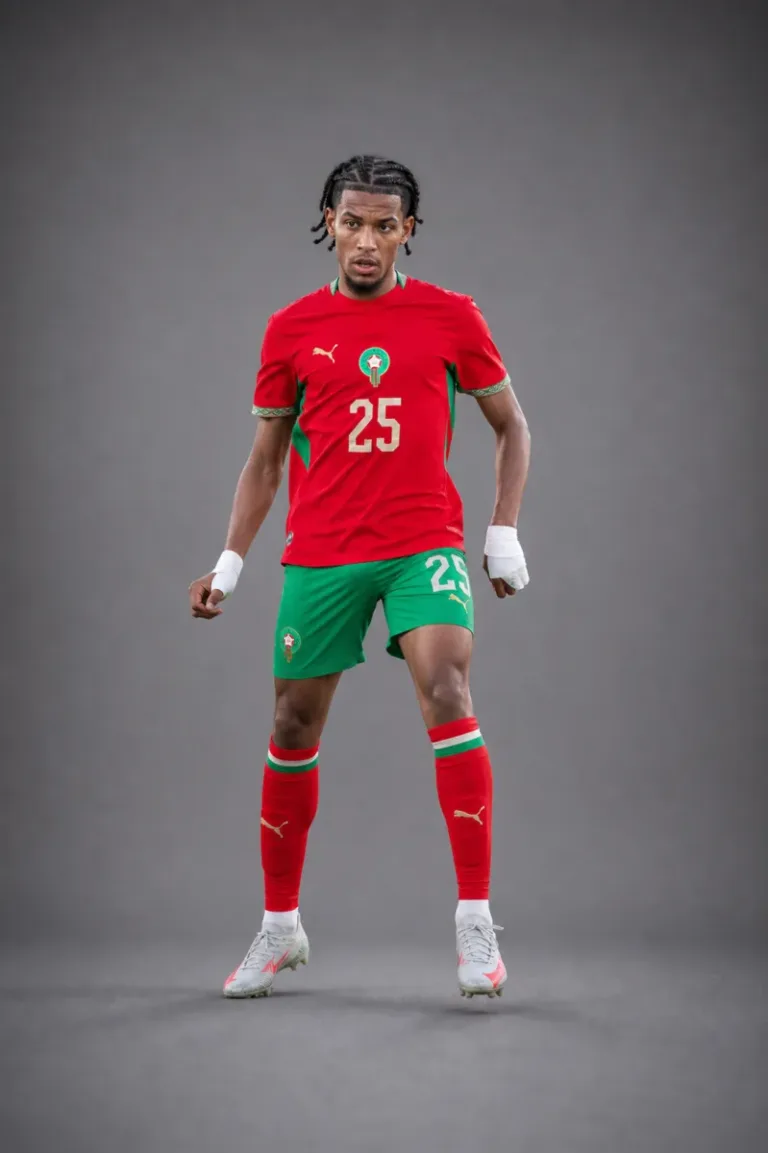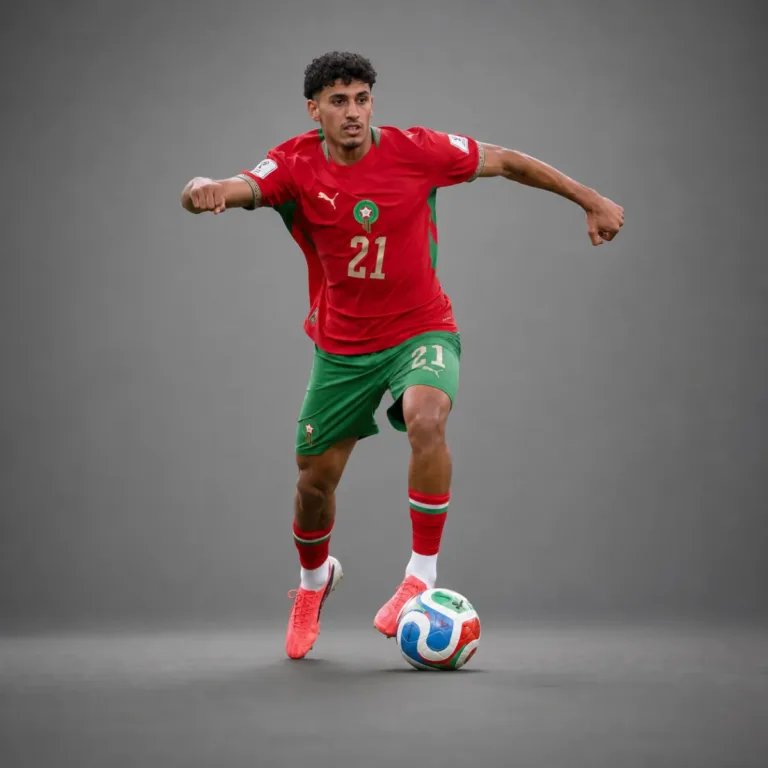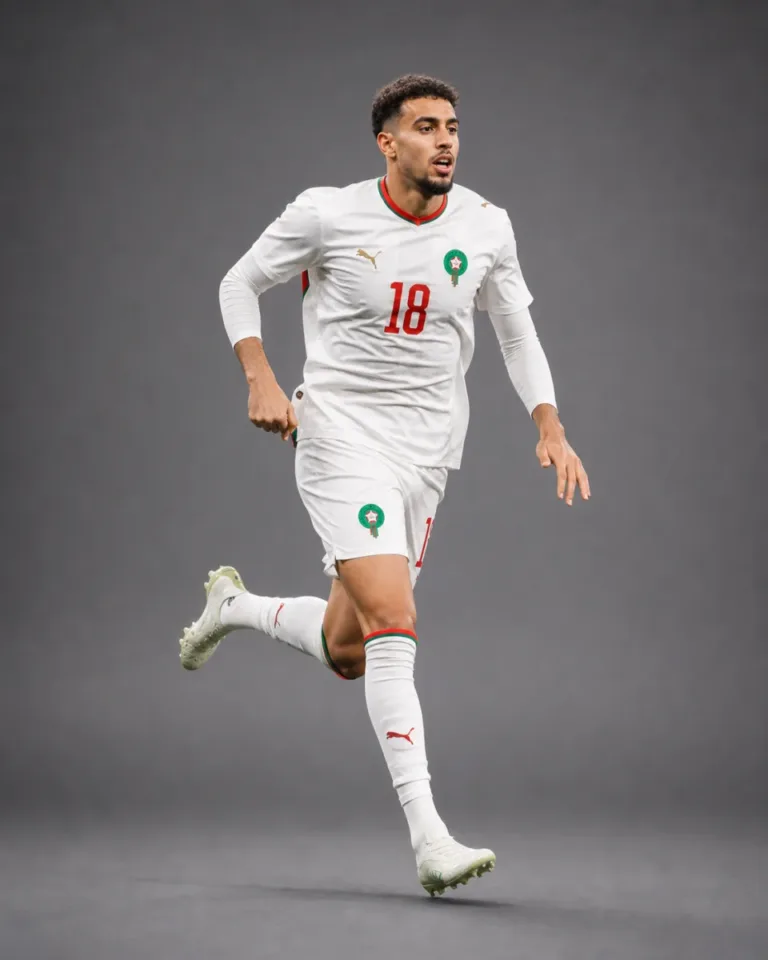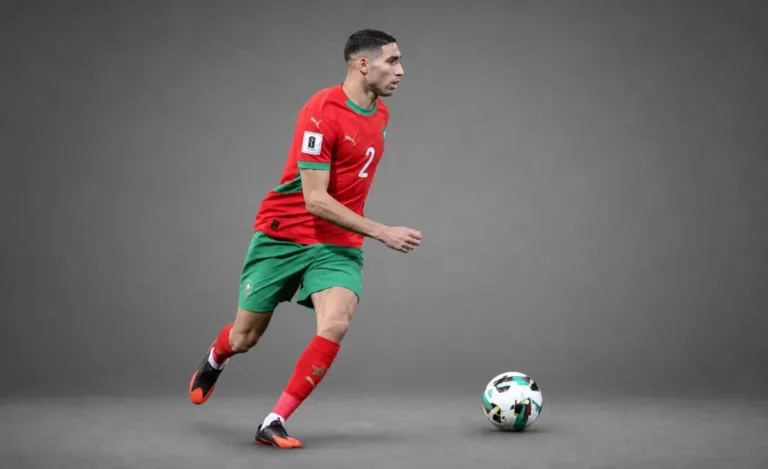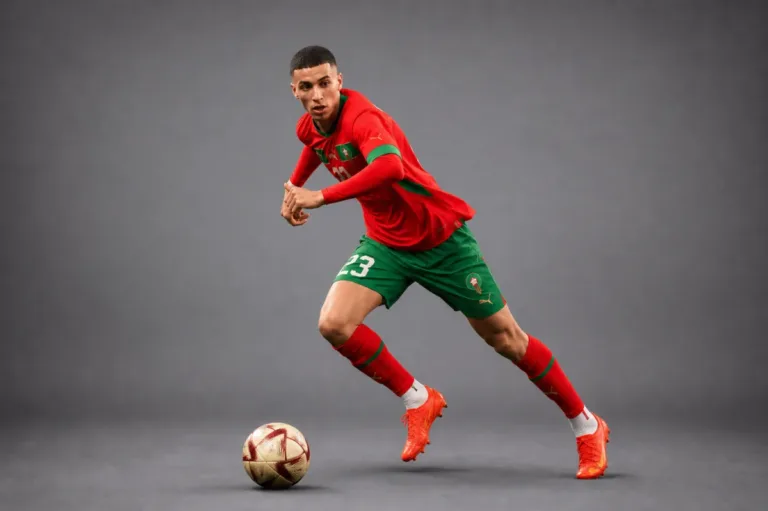

After The Dream: Why Moroccan Football Became A Global Story
Moroccan football has become more than a result sheet. It is a language for ambition, diaspora pride and the belief that the country can write itself into global sporting memory.
More than a team.
When Morocco plays, the story rarely belongs only to the eleven players on the pitch. It travels through families, cafes, airports, neighbourhoods, diaspora communities and children wearing red shirts far from home. Football becomes a public emotion.
That emotional force is why the national team now carries such weight. Every generation wants to feel that history did not peak before them. The dream is always to go further.
The structure behind emotion.
Emotion alone does not build a football nation. The more important question is structure: academies, scouting, coaching, federation planning, women’s football, futsal, stadiums and the relationship between local clubs and the diaspora. Morocco’s rise has been powered by this wider ecosystem as much as by individual stars.
That is why serious coverage should look beyond the match. The match is the visible end of a longer production chain.
The next standard.
The danger after historic success is to turn memory into comfort. The opportunity is to turn it into standard. Morocco’s football audience now expects organisation, courage and competitive maturity. That pressure can be healthy if it is matched by patience.
For MoroccoNation, football coverage should honour the emotion while still asking hard tactical and institutional questions.
Sources and editorial basis
- FIFA – Men’s World Cup – sports institution
- Royal Moroccan Football Federation – official federation