Zellige: The Geometry That Turns Craft Into Language
Zellige is more than pattern. It is patience made visible, a design language where geometry, handwork and imperfection create a specifically Moroccan elegance.
The intelligence of the hand.
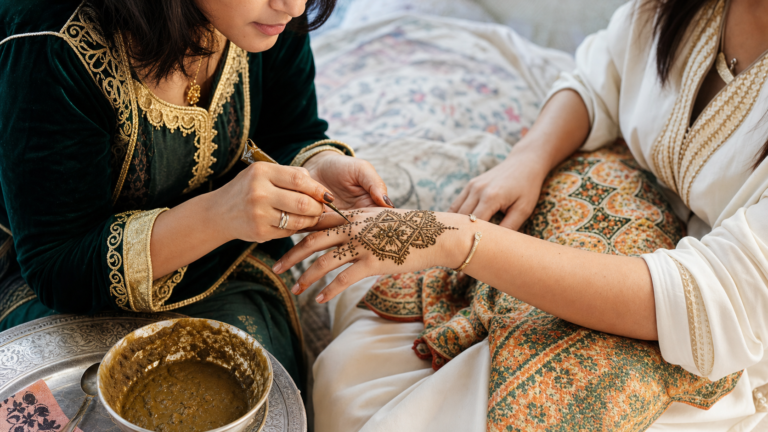
The eye sees symmetry first. Then it notices something better: the small human irregularities that make Moroccan zellige feel alive. A machine can repeat a pattern perfectly. Zellige gains its authority from the hand, the cut, the glaze, the assembly and the patience behind the surface.
This is why the craft has survived beyond fashion. It can appear in palaces, riads, contemporary restaurants and private homes without losing its core identity.
Geometry as culture.
The geometry of zellige is not cold. It creates rhythm. It guides the eye through repetition, interruption and balance. The pattern becomes a way of organising space. In Moroccan architecture, it often sits beside carved wood, plaster, water, light and shadow.
The result is not just decoration. It is atmosphere. Zellige teaches a room how to slow down.
The modern challenge.
As Moroccan design becomes more global, the challenge is to protect craft from cheap imitation. A premium culture platform should help audiences understand why real handwork costs more, lasts longer and carries more meaning.
Zellige is one of Morocco’s strongest visual exports. It deserves to be discussed with the seriousness usually reserved for architecture and art.
Sources and editorial basis
- Visit Morocco – Official Tourism Portal – official tourism source
- UNESCO World Heritage Centre – Medina of Fez – primary heritage source