How To Watch Morocco Like A Documentary, Not A Headline
A headline tells you what happened. A documentary asks why it mattered, who lived through it and what the viewer should remember after the noise fades.
The documentary eye.
Morocco is often covered through quick labels: beautiful, stable, traditional, modern, touristic, strategic. Each word contains some truth, but none is enough. A documentary approach begins by refusing the shortcut. It looks for characters, locations, contradictions and the emotional cost of a story.
That approach matters for a channel like MoroccoNation. The goal is not to add more noise to the internet. It is to create stories that viewers can feel and trust.
From topic to scene.
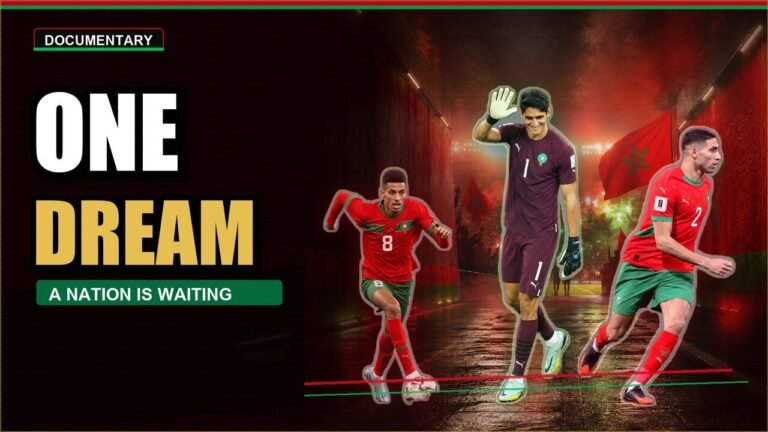
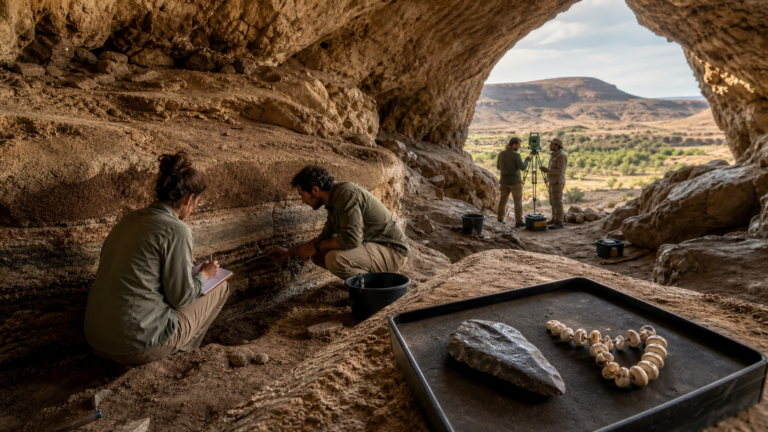
The strongest documentary work turns topics into scenes. If the topic is investment, the scene might be a port, a factory floor or a young engineer’s commute. If the topic is heritage, the scene might be a craftsman’s hand, a city gate at dawn or a family memory. If the topic is football, the scene might be silence before a penalty.
This is how a subject becomes cinematic without becoming fake.
The MoroccoNation standard.
Every documentary should have a clear promise: why this story, why now, why Morocco, and why the viewer should stay. The visual language should be premium, but the editorial spine should be stronger than the effect.
The channel will grow if it treats viewers as intelligent. That means atmosphere, but also facts, sources and restraint.
Sources and editorial basis
- MoroccoNation YouTube Channel – owned channel
- Google Search Central – Creating Helpful, Reliable, People-First Content – search quality guidance