Inside The MoroccoNation Documentary Method: From Archive To Match-Day Emotion
A good documentary is not a slideshow with narration. It is a controlled emotional journey built from research, rhythm, sound, image and editorial discipline.
Start with the spine.
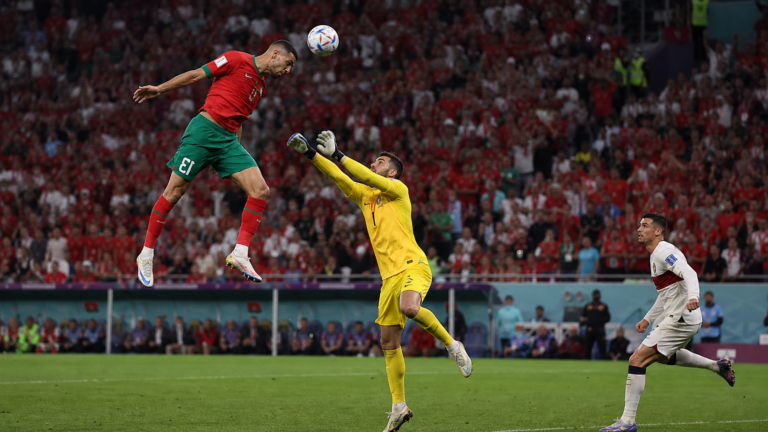
Before visuals, a documentary needs a spine. The viewer should understand what question the film is trying to answer. For the Morocco national team, the spine might be the dream of rewriting history. For an investment story, it might be whether a sector can create real value. For heritage, it might be how memory survives modern pressure.
Once the spine is clear, every scene has a job. Beautiful footage that does not serve the story becomes decoration.
Build the rhythm.
The rhythm should alternate between information and feeling. Data gives credibility. Anecdote gives humanity. Archive gives depth. Motion design can clarify a tactical move or timeline, but it should never cover weak writing. The strongest visual effects feel inevitable because they help the viewer understand faster.
Sound is just as important. A pause, a crowd swell, a clean transition or a low musical bed can guide emotion without forcing it.
Finish with trust.
The final standard is trust. Viewers should leave with the sense that the film respected the subject. That means no fake certainty, no cheap drama and no unsupported claims. A premium documentary channel wins by making the audience feel something and then giving them reasons to believe it.
That is the editorial promise MoroccoNation should build around.
Sources and editorial basis
- MoroccoNation YouTube Channel – owned channel
- Google Search Central – Creating Helpful, Reliable, People-First Content – search quality guidance