Soufiane El Bakkali: How a Steeplechaser Built a Dynasty
The 3000 metres steeplechase is designed to break rhythm. Soufiane El Bakkali built a dynasty by controlling it. From the delayed Tokyo Games through Paris 2024, the Moroccan won four consecutive global titles: Olympic gold in 2021, world titles in 2022 and 2023, then Olympic gold again in 2024.
Paris made him the first man since Finland’s Volmari Iso-Hollo in 1936 to retain the Olympic steeplechase title.
The event punishes impatience
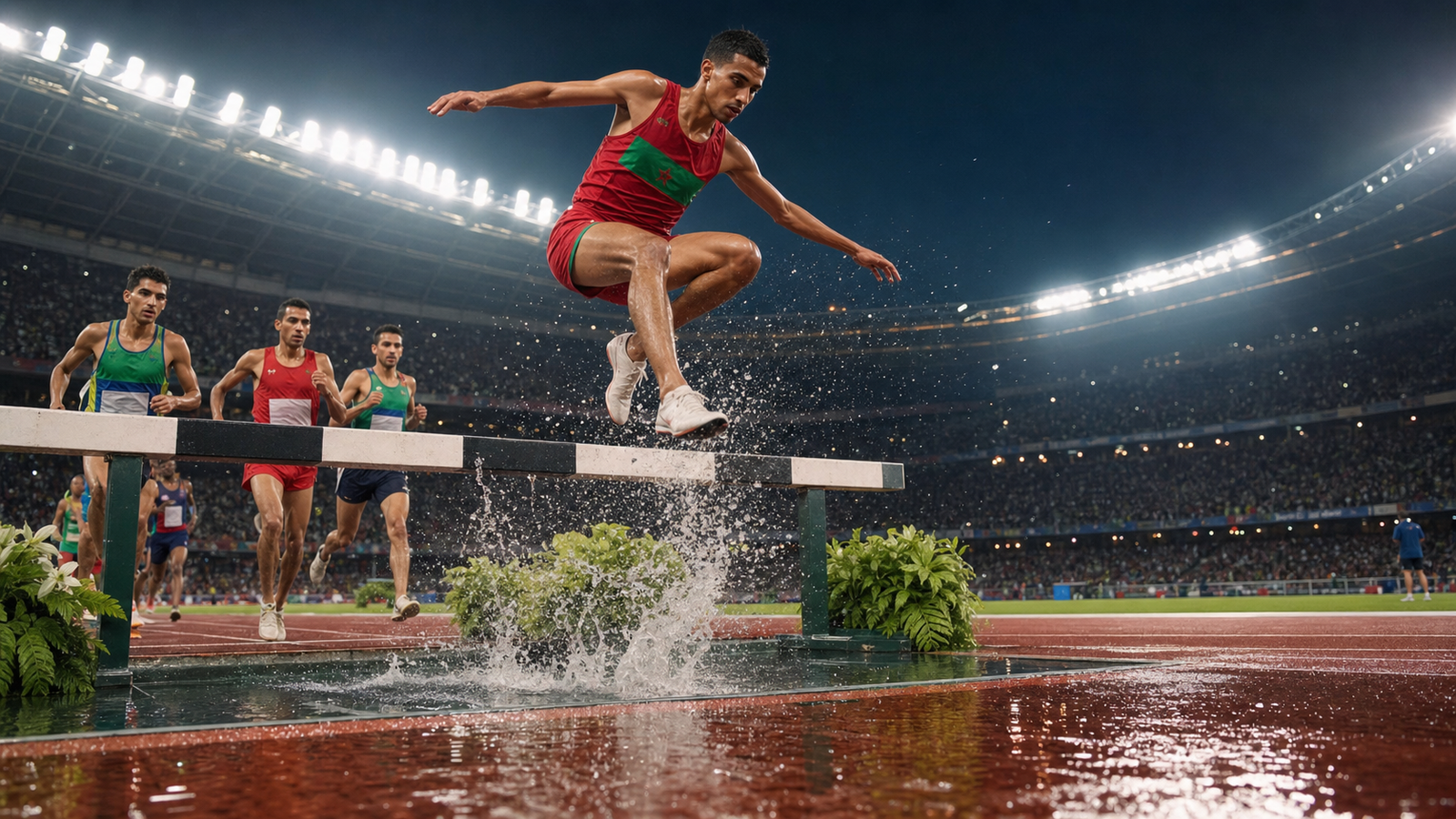
Seven and a half laps include 28 fixed barriers and seven water jumps. Unlike sprint hurdles, the barriers do not fall when struck. Athletes must spend energy clearing them efficiently while remaining tactically aware in a crowded pack. A small error compounds: a stutter step changes the landing, the landing changes the next acceleration, and the race continues before balance fully returns.
From contender to champion
El Bakkali finished fourth at Rio 2016, then earned world silver in 2017 and bronze in 2019. Those medals established consistency without yet ending Kenya’s long Olympic control of the event. In Tokyo, he made the decisive move late and won, delivering Morocco’s first Olympic athletics gold since El Guerrouj’s 2004 double.
World titles in Eugene and Budapest changed the burden. By Paris, he was no longer hunting the favourite; he was the favourite everyone watched.
The Paris final
The 2024 race was tense and physical. Ethiopia’s Lamecha Girma suffered a heavy fall late in the race, a reminder that steeplechase drama carries genuine danger. El Bakkali remained composed through the disruption, accelerated on the final lap and won in 8:06.05.
His finish combined patience with violence of speed. He had allowed the race to remain crowded without surrendering position, then used the final barrier and straight to separate.
What makes the run repeatable
Championship steeplechase is not a time trial. El Bakkali’s range lets him survive slow tactical races and faster sustained pressure. His barrier technique limits wasted motion, while his flat speed makes rivals reluctant to leave him close at the bell. Most importantly, he has repeatedly executed under the different psychological weight of contender, champion and defending champion.
The dynasty is still active
Historical language can make an athlete sound finished. El Bakkali’s achievement belongs to the present. Future races may extend or end the sequence; neither outcome changes the four-title run already completed.
Moroccan athletics has produced iconic middle-distance champions. El Bakkali added a different signature: mastery of the race built to interrupt mastery.
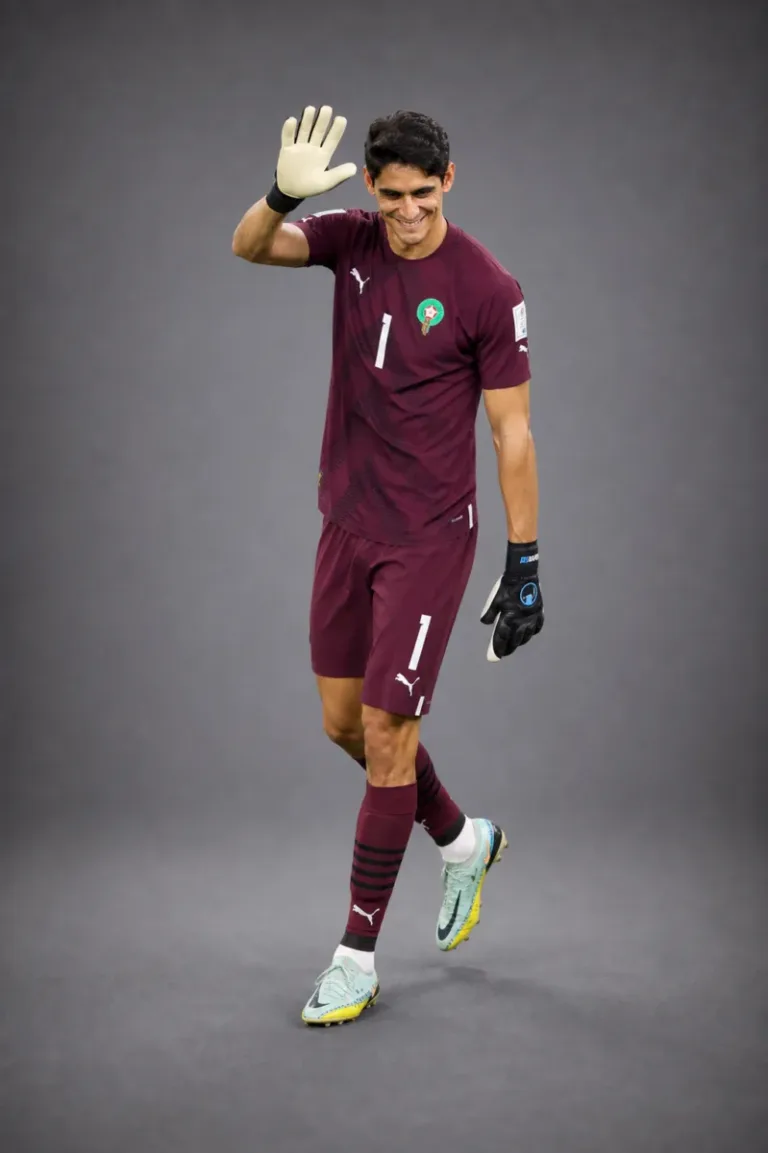
The featured image is an AI-created editorial reconstruction, not an archival photograph.
Sources and further reading