Tétouan in 48 Hours: An Andalusian City Best Read Slowly
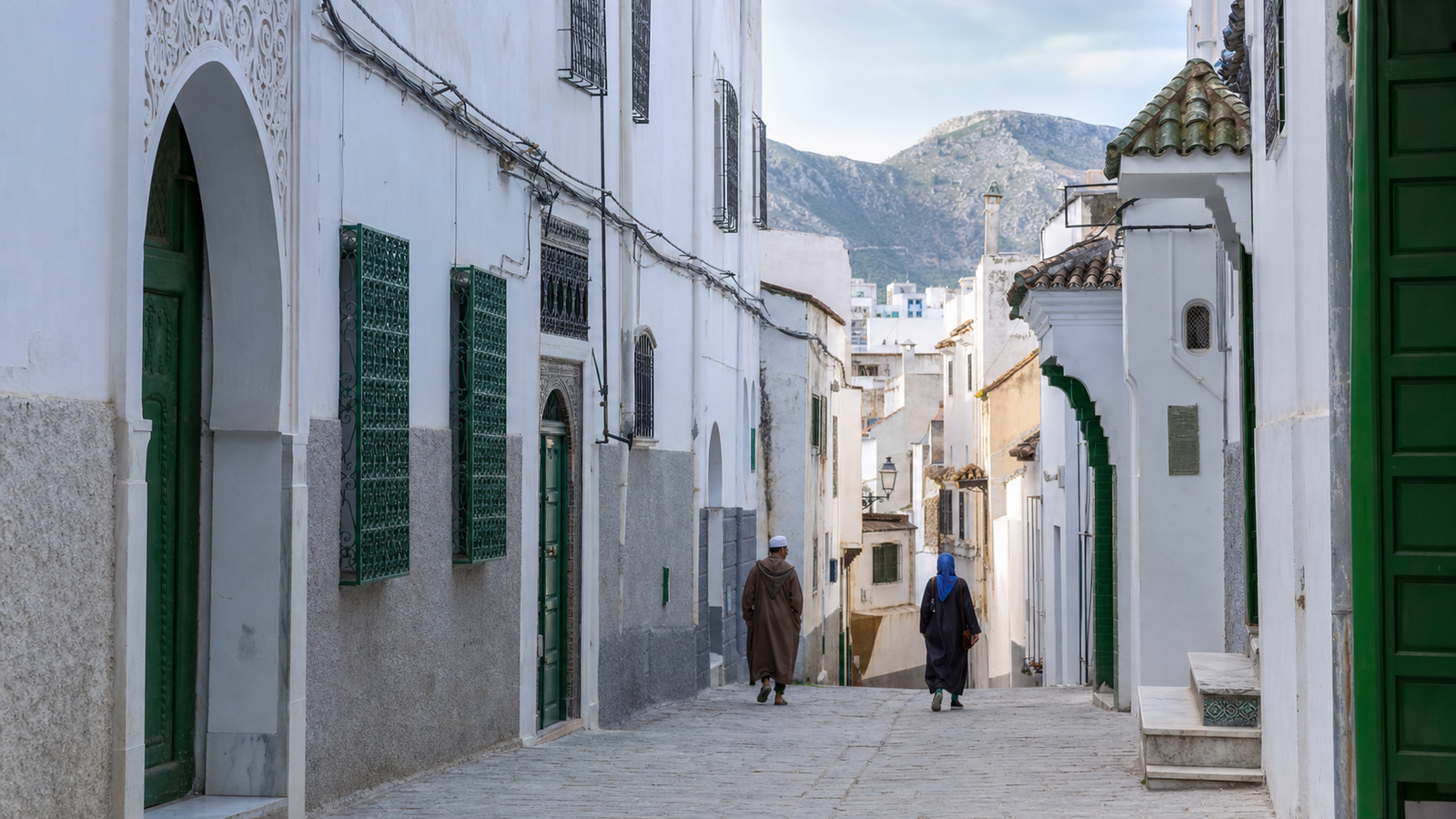
Tétouan does not need to compete with Morocco’s loudest destinations. Its reward is proportion: a medina that can be walked without becoming a checklist, a Spanish-built Ensanche that opens the city outward, and mountains that remain present at the end of a white lane.
UNESCO inscribed the medina in 1997, recognising its exceptional importance as a place shaped by contact between Morocco and Andalusia. Forty-eight hours is enough for a first reading if you move slowly and look at how the city fits together.
Day one: enter through daily life
Morning. Begin near Place Moulay El Mehdi, then walk the Ensanche toward the medina. The change in street width and façades is part of the story: twentieth-century urbanism meeting an older walled fabric. Enter without trying to conquer every lane. Follow working streets where textiles, leather, metal and food still organise space.
Visit the archaeological museum or an ethnographic collection according to current opening hours. A museum hour gives the streets chronology; the streets give the objects context.
Lunch. Choose a busy, modest restaurant and ask what is prepared that day. Tétouan’s table reflects northern produce and Mediterranean connections. Seasonal food is a better guide than an imported “must-eat” list.
Afternoon. Spend time with one craft rather than shopping across ten. Ask before photographing artisans, and buy only when the object and price make sense to you. Continue toward squares where the medina breathes. Sit long enough to notice deliveries, school runs and conversations—the city is not scenery.
Day two: art, landscape and the wider region
Morning. Return early, when shutters rise and the light is cool. Seek out architectural details: carved plaster, green woodwork, tiled thresholds and the modest exterior of houses organised around interior courtyards. Respect residential privacy.
Midday. Explore the modern cultural institutions and galleries available during your visit. Tétouan has a serious visual-art tradition connected to its fine-arts school; it deserves more than a footnote after the medina.
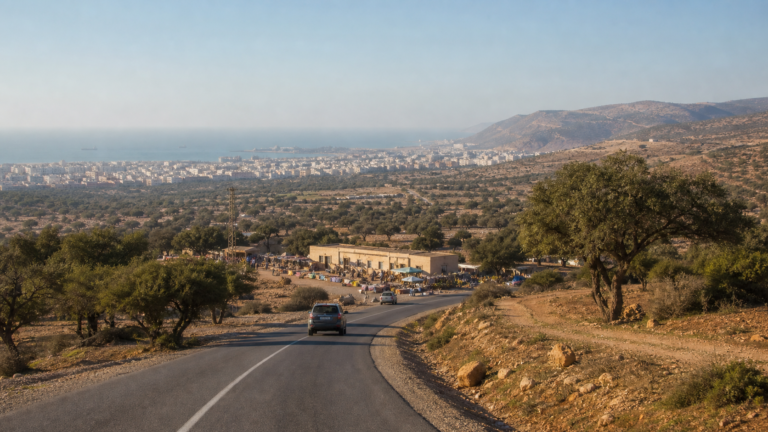
Late afternoon. If transport and weather permit, use the remaining hours to understand the city’s geography from a legal public viewpoint or make a short trip toward the coast. Martil is close; the road toward the Rif explains why Tétouan has always looked both inland and across the Mediterranean.
Practical rhythm
- Confirm museum and monument hours locally, especially on Fridays and holidays.
- Wear shoes with grip; polished lanes and slopes can be tiring.
- Use an authorised guide if you want access and historical depth, not simply navigation.
- Ask before photographing people or private interiors.
- Leave space in the schedule. Tétouan’s best experience may be the lane you did not plan.
Forty-eight hours will not “complete” Tétouan. That is the point. A good first visit makes the city more specific and leaves a reason to return.
Sources and further reading