Tanger Med: How a Port Became an Industrial Geography
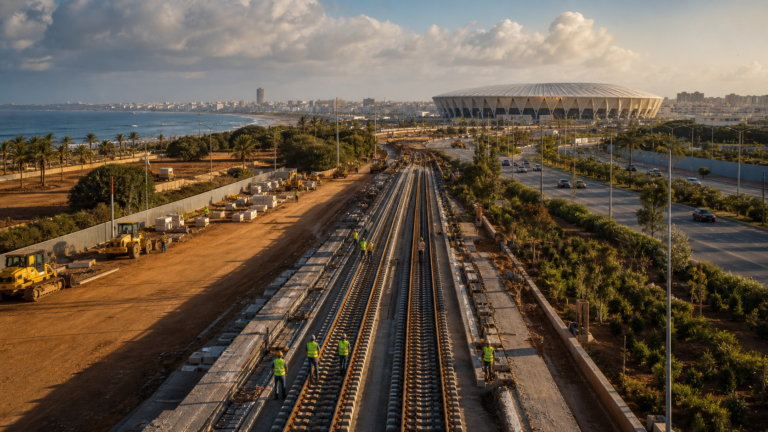
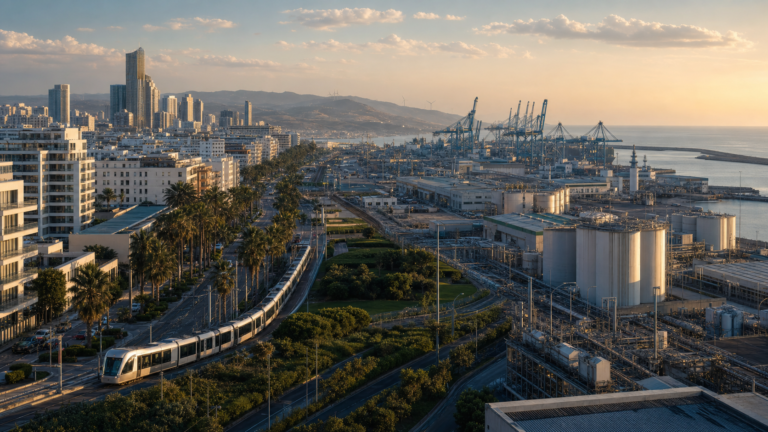
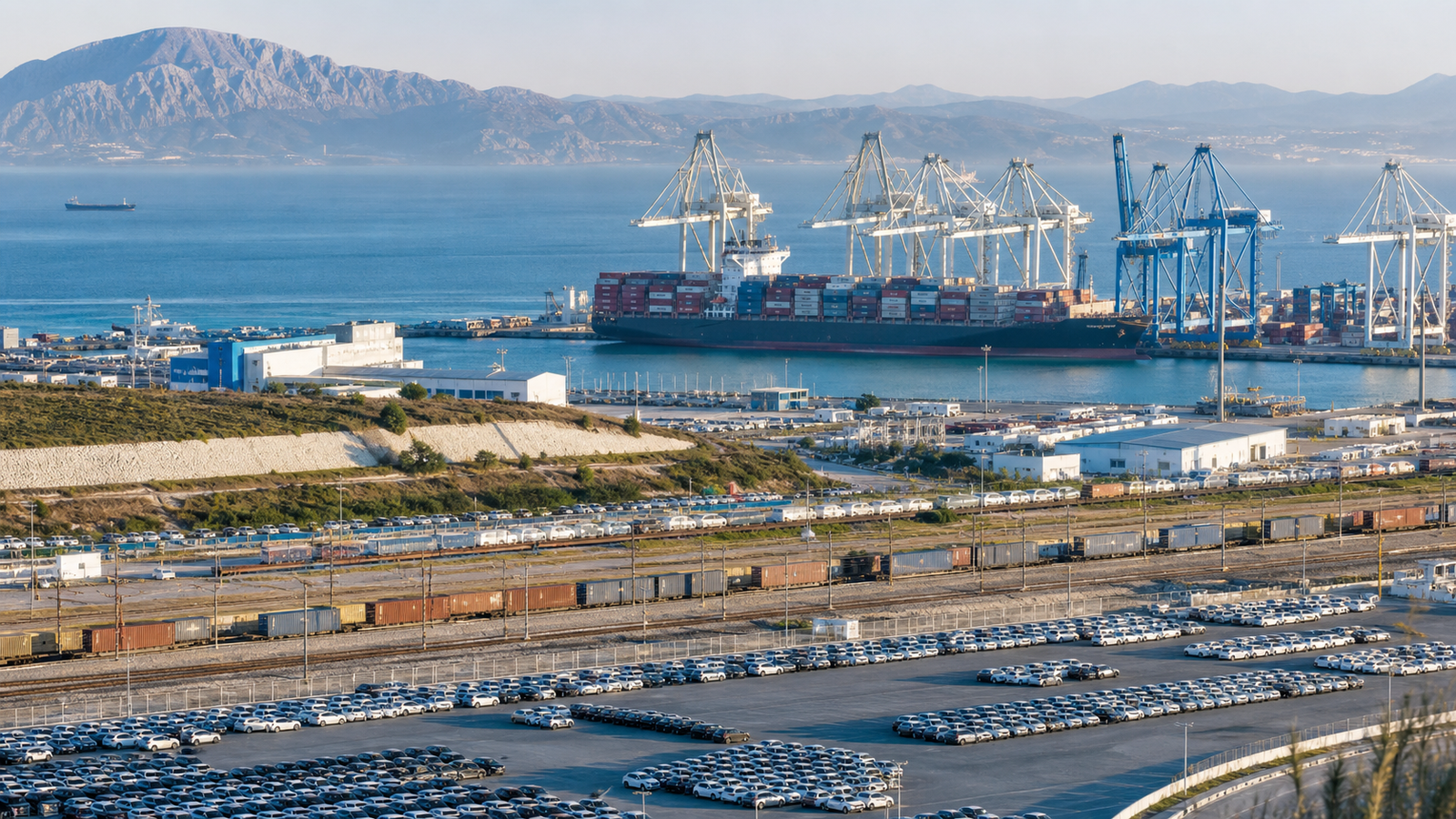
A container terminal is impressive. A functioning industrial geography is more valuable. Tanger Med’s significance comes from the way port terminals, free zones, factories, customs systems, rail sidings and motorway links reinforce one another on Morocco’s northern coast.
That system has helped make the Tangier region a major automotive and logistics base. In 2025, Tanger Med’s official activity report recorded 535,203 international road-transport trucks, an increase of 3.6% over 2024. The number is not just a traffic statistic. It indicates the rhythm of factories, agricultural exports and European supply chains using the corridor.
The port is a timetable
For an exporter, distance is only one variable. Frequency of sailings, cut-off times, customs clearance, reliability and the ability to recover from disruption often matter more. A nearby port with irregular service can be less useful than a slightly longer route embedded in a dense schedule.
Tanger Med sits near the Strait of Gibraltar and connects to major maritime routes. But geography becomes an advantage only when operations convert it into predictable time.
Automotive changed the supplier map
Vehicle assembly drew component manufacturers, logistics specialists, training needs and quality systems into the wider Tangier-Kenitra axis. The result is not automatic localisation of every input. Suppliers still need to prove that Moroccan production improves total cost, lead time and risk—not merely labour cost.
For small and mid-sized firms, the best opportunities may sit between the headline factories: maintenance, tooling, packaging, industrial software, testing, staff transport, recycling and energy efficiency.
What a site visit should test
- Actual truck time from the proposed plot to the terminal at shift-change and peak periods.
- Electricity, water, wastewater and telecom capacity documented for the exact parcel.
- Recruitment radius, technical training and transport for late shifts.
- Customs status and the administrative obligations attached to the selected zone.
- Alternative routes when weather, labour or maritime disruption affects the primary plan.
A corridor is not a guarantee
Dense ecosystems bring competition for labour and industrial land. Dependence on a small group of customers can expose suppliers to model cycles. European regulation, carbon reporting and rules of origin also reach deep into the chain. Companies that treat compliance as a sales asset will be better positioned than those that see it as paperwork.
Tanger Med’s lesson is therefore larger than port capacity. Infrastructure creates value when it shortens a real process: an engineer reaches a plant, a component clears customs, a truck meets a vessel, and information moves with the goods. Investors should measure that sequence minute by minute before being persuaded by any aerial photograph—including ours.
Sources and further reading