Where to Invest in Morocco: Six Corridors, Six Different Business Cases
There is no single “best place” to invest in Morocco. There is only a better or worse match between a project and a corridor: the customers it must reach, the skills it needs, the logistics it cannot compromise on and the time it can afford to spend on execution.
That distinction matters. A software company hunting for corporate clients has little reason to use the same shortlist as an automotive supplier, a food processor or a hospitality operator. Morocco’s new Investment Charter also rewards projects according to job creation, territorial impact and strategic priorities. The useful question is therefore not “Which city is number one?” but “Which operating system fits this project?”
Casablanca-Settat: scale, clients and headquarters
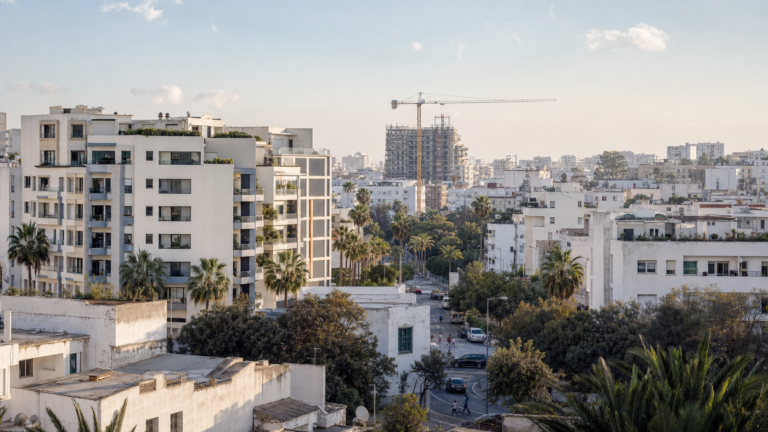
Casablanca remains the country’s deepest pool of corporate demand, finance, professional services and management talent. Its airport, port, tramways and motorway connections make it the default landing point for many regional headquarters. The price of that density is equally real: higher occupancy costs, congestion and a tighter recruitment market for experienced profiles.
Casablanca works best when proximity to customers, banks, advisers and decision-makers is worth paying for. It is less convincing when a project mainly needs inexpensive land and predictable truck movements.
Tangier-Tetouan: export manufacturing as an ecosystem
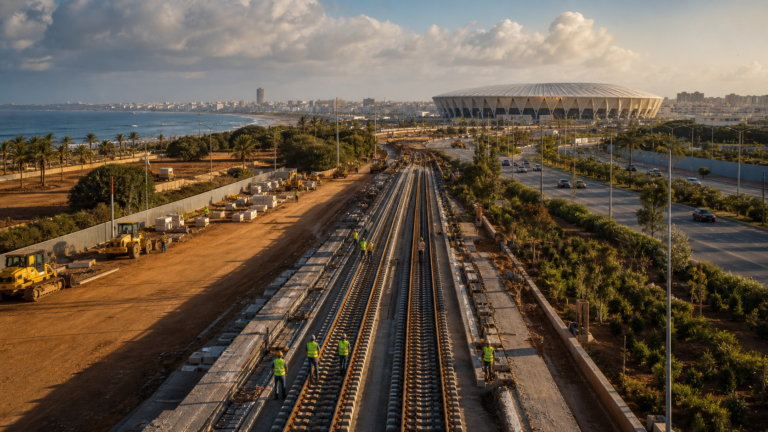
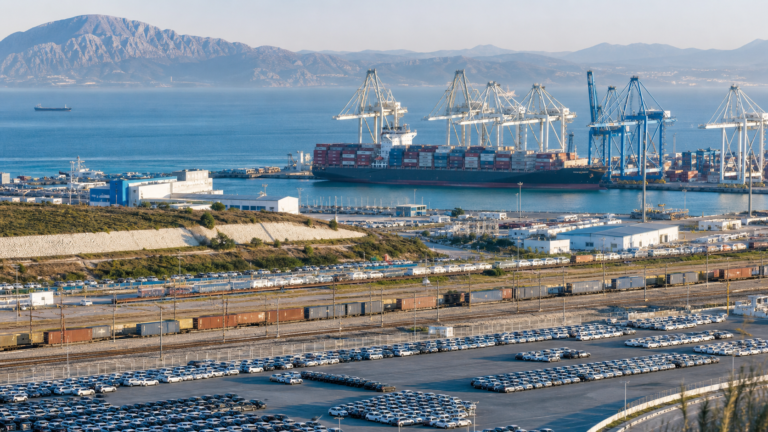
Tangier’s advantage is not a single port photograph. Tanger Med, industrial zones, road and rail links, customs services and automotive supply chains operate as a connected system. That makes the corridor unusually legible for exporters serving Europe. The correct diligence still goes below the headline: supplier depth, available industrial plots, utility capacity, shift transport and the exact cut-off times of shipping routes.
Rabat-Kenitra: institutions, mobility and industry
Rabat offers access to public institutions, universities and a growing technology-services base; Kenitra adds a substantial industrial platform and a rail-connected location between Rabat and Tangier. For regulated sectors, engineering services and suppliers that need both institutional access and production capacity, the paired corridor can be more coherent than either city considered alone.
Fez-Meknes: skills, heritage and agro-industry
Fez-Meknes combines a large population, universities, established craft knowledge and an agricultural hinterland. It can suit food transformation, education, health services, domestic-market manufacturing and cultural tourism. Its challenge is not a lack of identity; it is converting that identity into reliable distribution, product standards and year-round demand.
Marrakech-Safi: a global brand with operational limits
Marrakech is powerful for hospitality, events, lifestyle businesses and premium real estate because international demand already understands the city. That visibility can hide seasonality, water stress and staff-housing pressures. Safi adds port and industrial activity, but it is a different operating environment. Investors should resist treating the whole region as one tourism market.
Agadir and the Souss: food, fisheries and the visitor economy
Agadir’s case rests on agricultural exports, fisheries, food processing, tourism and a strong regional trading culture. The port, airport and farms of the Souss create valuable proximity between production and export. Water availability, cold-chain performance and climate resilience belong in the first financial model, not in an appendix.
A practical comparison
Begin with five tests: access to the real customer; availability of the exact skills required; logistics measured door to door; land and utilities verified in writing; and a downside case that includes permitting, water, energy and staff mobility. Then speak to the relevant regional investment centre and compare incentives only after the operating case works.
Morocco’s Investment Charter can support qualifying projects, with mechanisms linked to common criteria, territorial impact and strategic activities. Incentives can improve a sound project. They cannot rescue a corridor chosen for its reputation rather than its fit.
Sources and further reading