World Cup 2030: The Infrastructure Test Behind Morocco’s Global Moment
In 2030, the world will see football. Morocco will be testing a transport system. FIFA has appointed Morocco, Portugal and Spain to host the centenary World Cup, with three commemorative matches in South America. The main tournament is planned for 13 June to 21 July 2030, and Morocco will share 101 matches with its European partners.
The attention naturally falls on stadiums. The larger economic question is whether passengers can move smoothly between airports, rail stations, city centres, accommodation and match venues—and whether the assets remain useful after the final whistle.
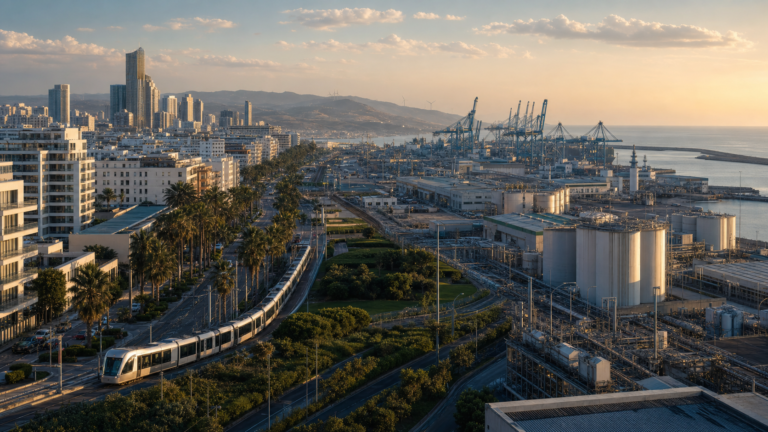
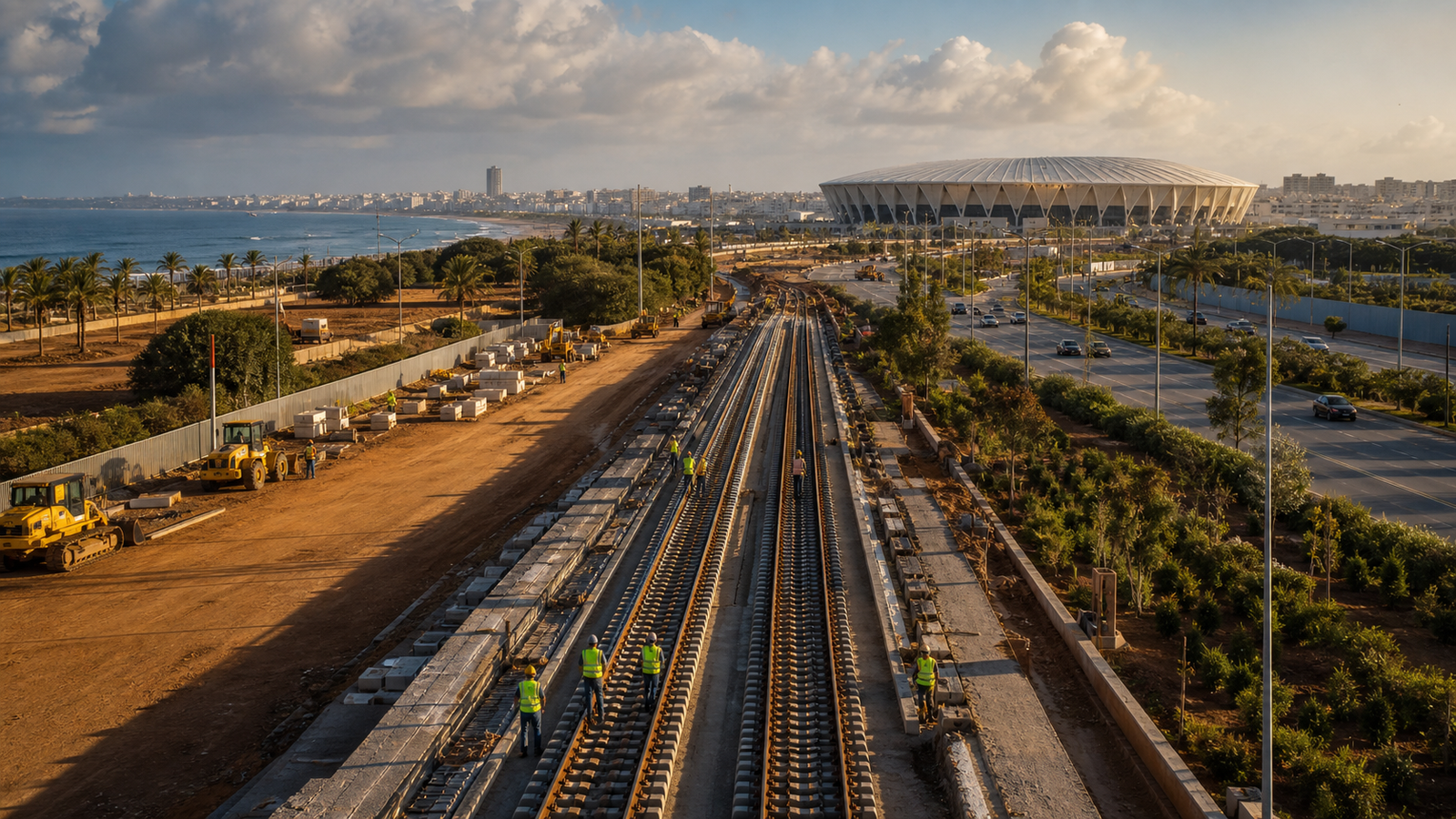
The railway is the backbone
ONCF’s investment programme includes the Kenitra–Marrakech high-speed extension and new trains, alongside network improvements. A railway does more than move supporters: it can enlarge labour markets, reduce travel times for business and alter the value of connected districts. The benefits depend on integration. A fast intercity trip loses value if the last kilometres are slow, confusing or inaccessible.
Airports have to work as a network
Morocco’s Airports 2030 strategy aims to expand capacity and modernise the passenger experience. The operational test will be distributed: Casablanca as the main hub, Marrakech as a global tourism gateway, and Rabat, Tangier, Agadir and Fez as important arrivals. Border processing, baggage reliability, onward transport and wayfinding matter as much as terminal architecture.
Stadiums need a Monday-morning purpose
Large venues are easy to celebrate and expensive to maintain. A durable stadium plan identifies regular users, adaptable spaces, public-transport access and a calendar beyond international football. Surrounding development should serve residents rather than create an isolated event island. The strongest legacy may be an ordinary one: safer crossings, reliable buses, better stations and public spaces that work every week.
Four opportunities—and four cautions
Hospitality: demand can support renovation, new rooms and professionalised services. But a five-week peak cannot justify a thirty-year asset on its own.
Construction and engineering: contractors, materials, signalling, energy systems and project management all benefit from a large pipeline. Capacity, safety and delivery discipline will determine who converts opportunity into reputation.
Digital services: ticketing support, multilingual visitor information, mobility data and cybersecurity are essential infrastructure. Personal-data protection and resilience must be designed in early.
Small business: local food, crafts, tours and retail can reach new audiences. Without fair access to event zones, training and digital payments, the gains may concentrate in established operators.
The deadline can improve governance—or weaken it
Fixed dates create focus. They can also tempt rushed procurement and cosmetic projects. The better scorecard tracks budget transparency, construction safety, accessibility, carbon and water performance, neighbourhood disruption and post-2030 operating costs.
Morocco’s global moment will not be measured only by the opening ceremony. It will be measured years later, when a student boards a better train, a resident uses a safer public space and an airport built for a tournament handles ordinary growth without drama.
Sources and further reading