
Five Moroccan Sites That Changed the Human Story
From early hominins near Casablanca to 90,000-year-old footprints at Larache, five discoveries have moved Morocco from the edge of prehistory to the centre of the human story.
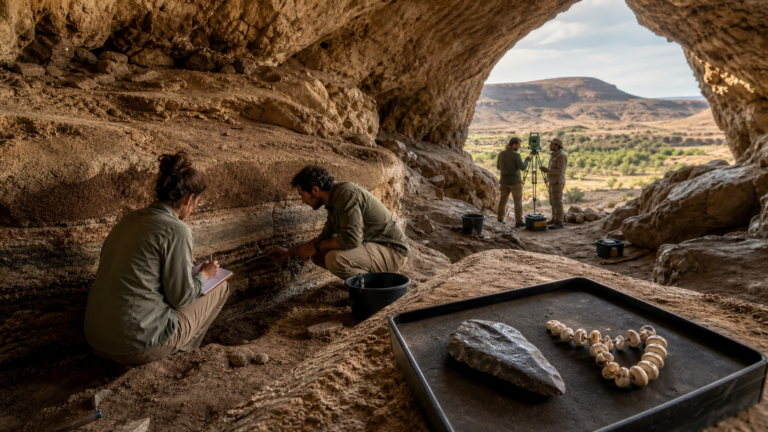
From early hominins near Casablanca to 90,000-year-old footprints at Larache, five discoveries have moved Morocco from the edge of prehistory to the centre of the human story.
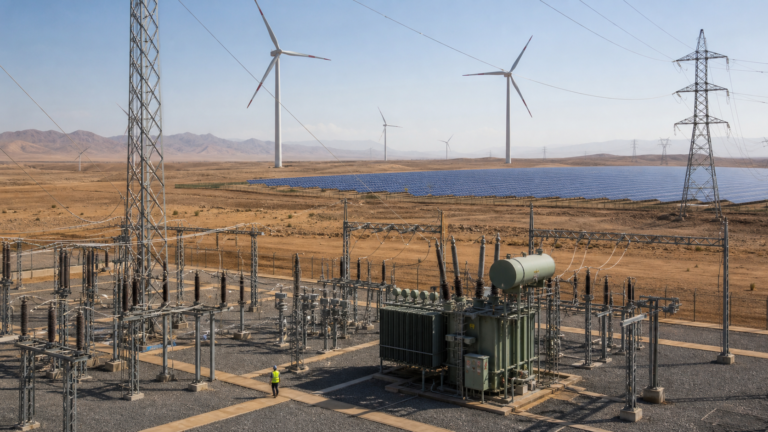
Solar panels and turbines attract attention, but substations, transmission, flexibility and demand decide which projects can actually deliver power.
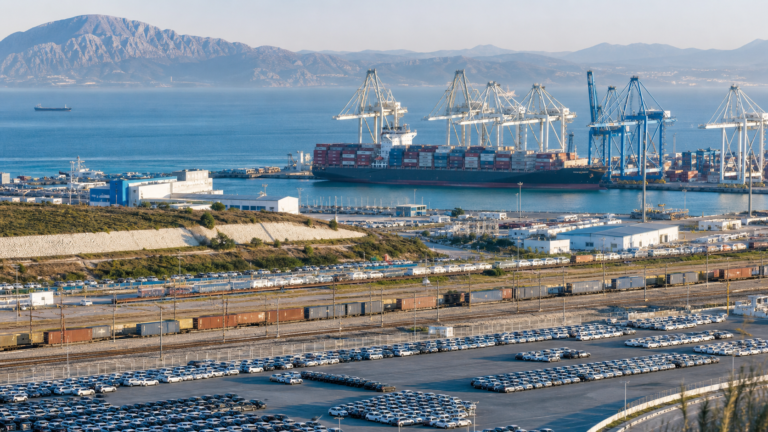
Tanger Med’s real advantage is the connection between shipping, customs, factories, rail and roads. The port works because the geography around it works too.
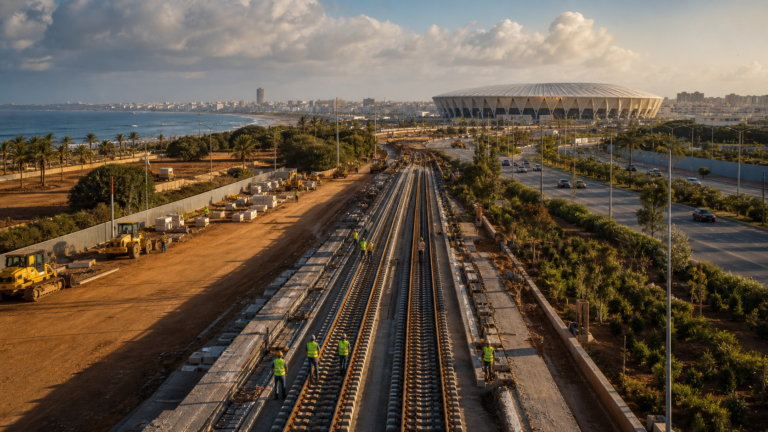
The 2030 World Cup is not only a stadium story. Rail, airports, urban mobility and post-tournament use will decide whether the investment produces a lasting return.
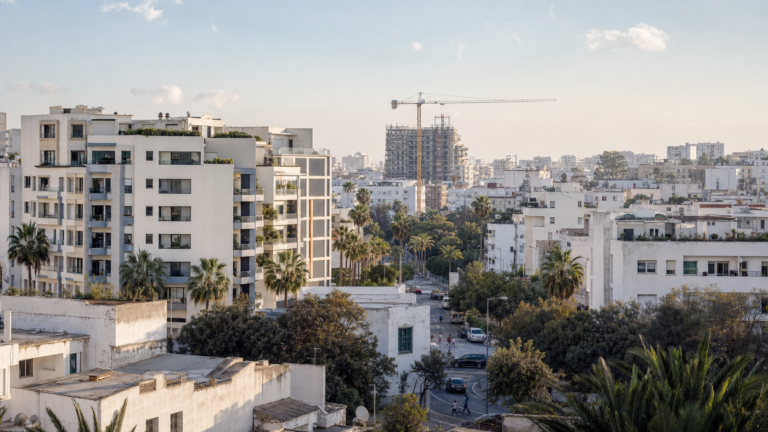
The first-quarter 2026 index does not describe a simple boom or crash. Prices softened, transactions fell sharply and local differences matter more than national averages.

Casablanca, Tangier, Rabat-Kenitra, Fez-Meknes, Marrakech and the Souss do not sell the same business case. Here is how to compare them without reducing Morocco to a single ranking.
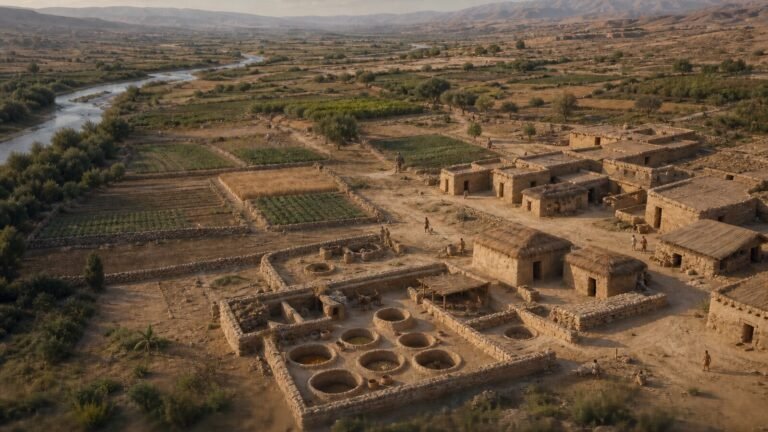
Excavations at Oued Beht reveal a large Final Neolithic farming community and new evidence for connections across the western Mediterranean.

A Moroccan beach preserved 85 human footprints dating to about 90,000 years ago — a rare record of movement on the Atlantic coast.

What the 315,000-year-old fossils at Jebel Irhoud reveal — and what they do not — about the long emergence of Homo sapiens in Africa.
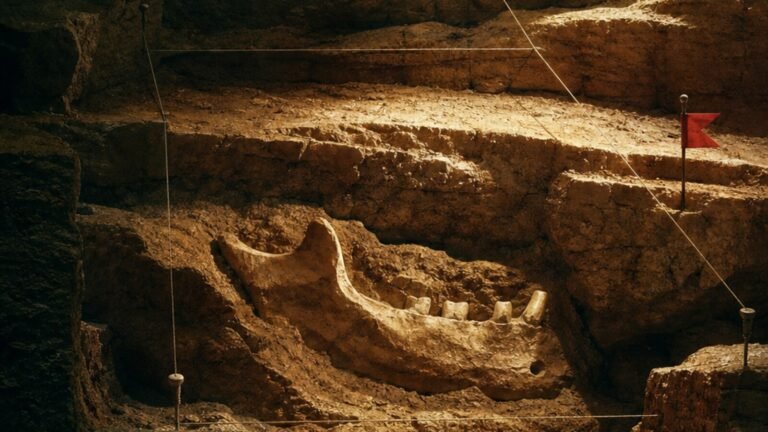
Fossils from Thomas Quarry I offer a securely dated glimpse of North African hominins living near Casablanca about 773,000 years ago.

A thoughtful weekly Morocco letter built around one strong story, one place, one cultural recommendation and one useful signal.

A reader-facing promise for the MoroccoNation Daily Brief: concise, sourced and designed for people who want Morocco without noise.